



Please leave your email address, So that we can get in touch with you as soon as possible.
Imagine a 35-story residential tower in the middle of its structural phase. Hundreds of workers need to reach the upper floors every morning, pallets of block and drywall have to move up as each slab is poured, and the tower crane is already booked solid. The equipment that keeps the whole site productive is the construction hoist — the temporary vertical lift bolted to the outside of the building frame. Contractors install it early in the construction cycle, rely on it through structural, finishing, and facade work, and dismantle it only when the building is nearly complete.
What Is a Construction Hoist?
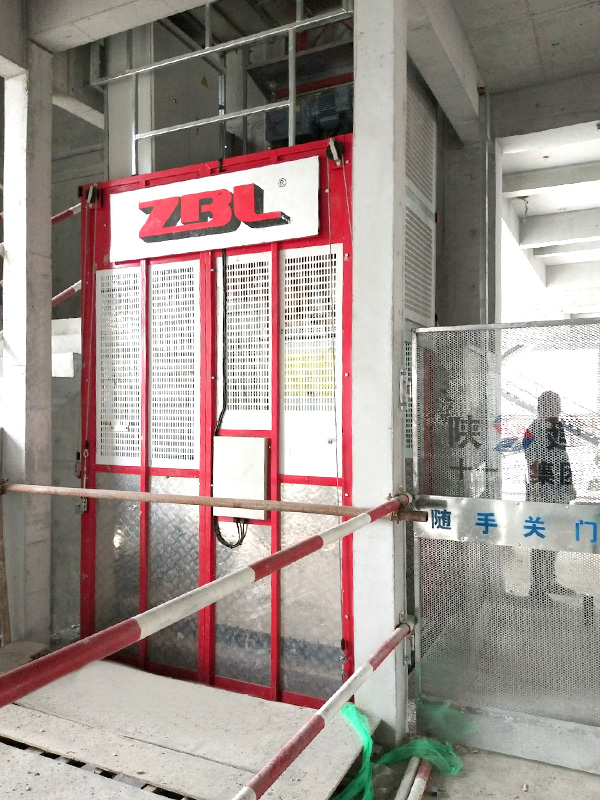
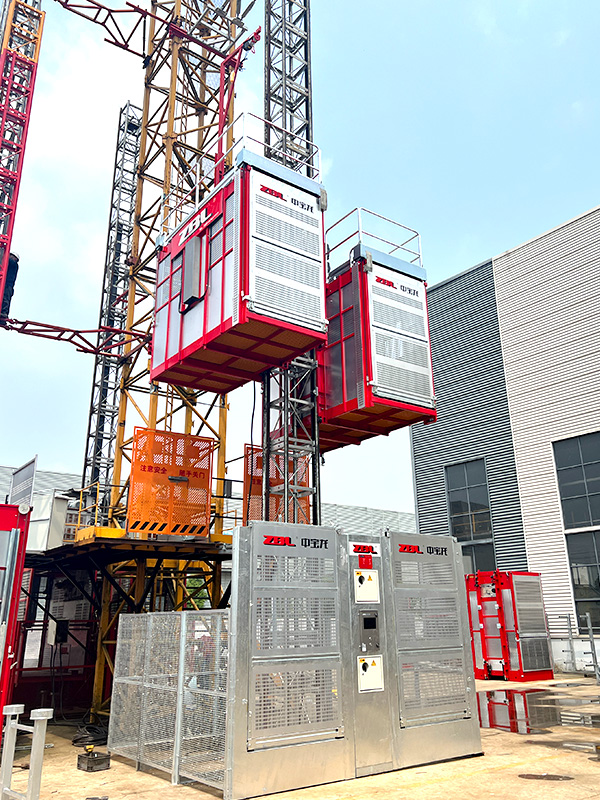
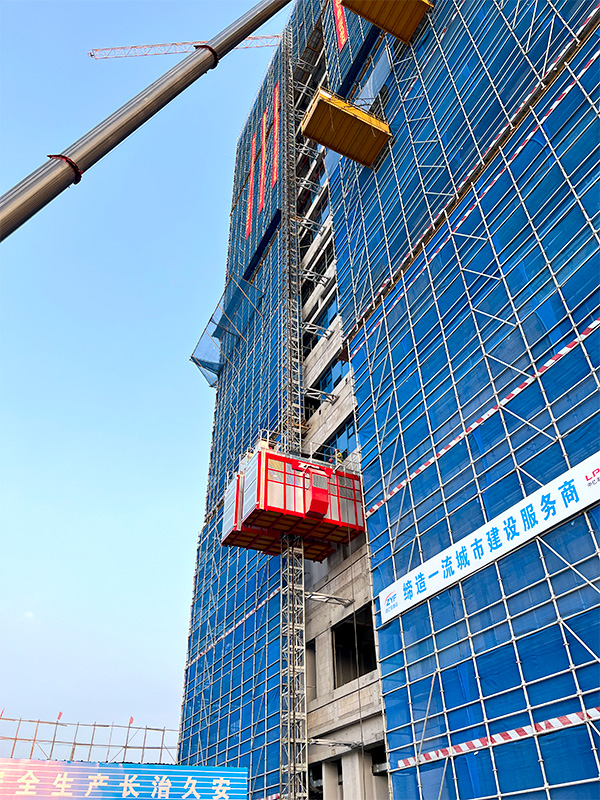
A construction hoist is a temporary lifting system used on building sites to transport personnel, materials, or both between ground level and the working floors of a structure under construction. It is also called a construction elevator, a builder's hoist, or a building-site lift. Unlike a permanent passenger elevator, a construction hoist is usually mounted on the exterior of the building and is designed to be installed, extended, and removed quickly as the construction sequence changes.
The most common drive system is rack and pinion. A toothed rack is fixed to a vertical mast built from bolted standard sections; electric motors on the cage turn pinion gears that engage the rack, pushing the cage up and down. The mast grows taller as the building rises, and the hoist is tied to the structure at regular intervals for lateral stability. Because the drive is mechanical and does not rely on counterweights or a machine room, the hoist can be relocated and re-erected on different sites with minimal site preparation.
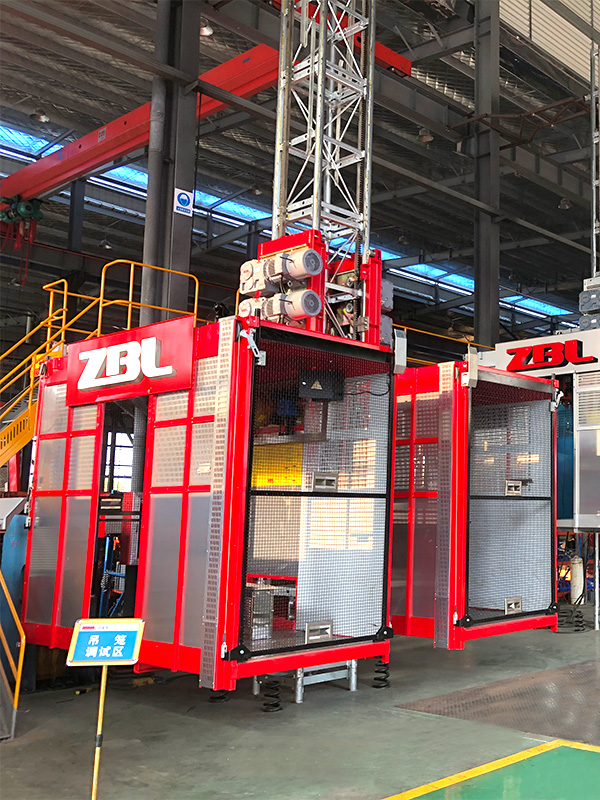
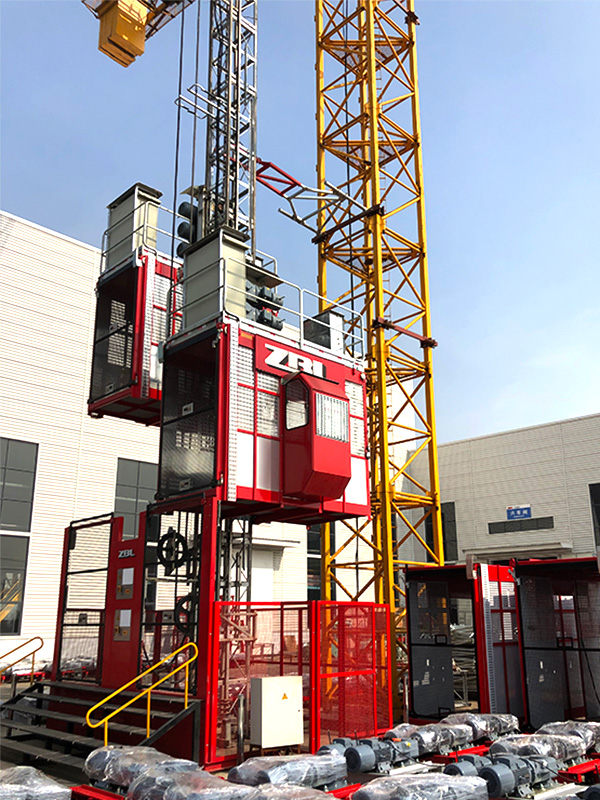
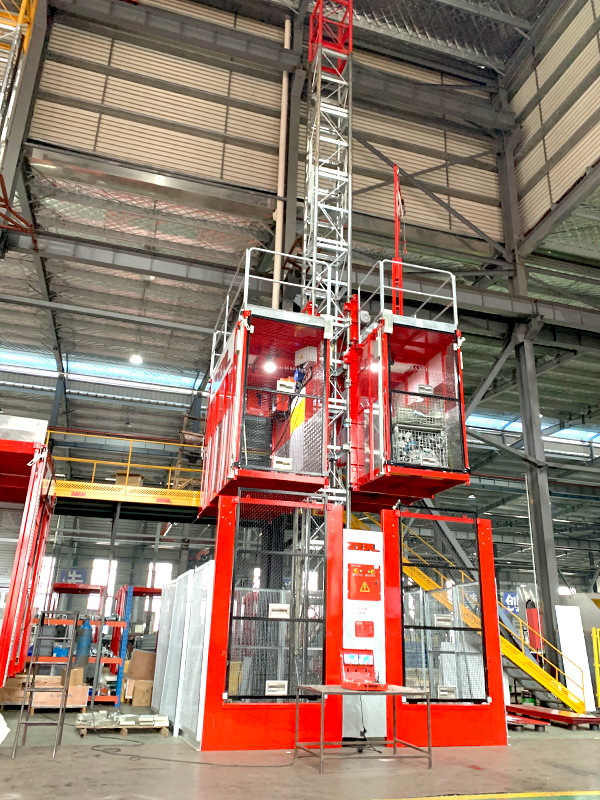
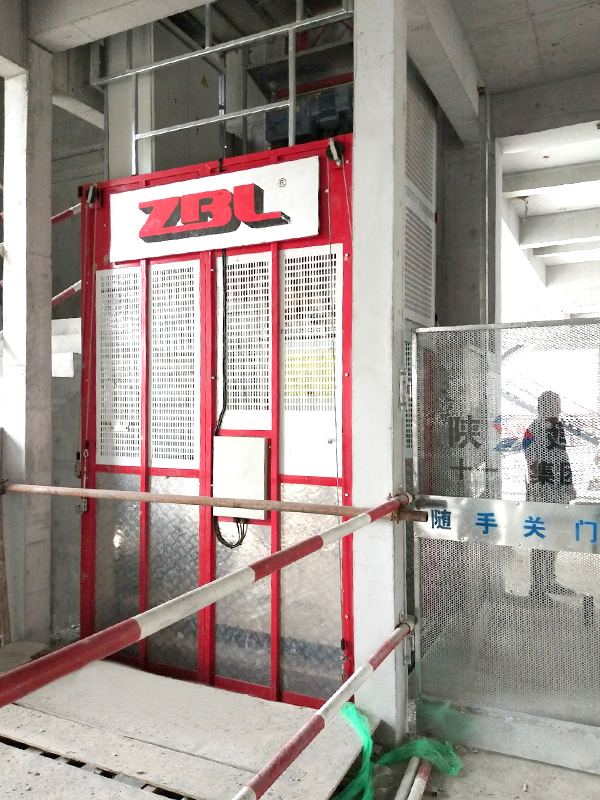
A typical unit consists of the mast, one or two enclosed cages, the transmission and drive motors, landing gates at each floor, and a set of safety devices that includes overspeed safety gears, limit switches, door interlocks, and overload protection. On larger jobs, two cages share a single mast, giving the site two independent lifts on the same vertical line.
Main Types of Construction Hoists
Passenger-and-Material Hoists
The most common type is the dual-purpose hoist, which carries workers and materials in the same enclosed cage. The most widely used configuration is a dual-cage unit such as the SC200 series construction hoist, where two independently driven cages share one mast. The SC200/200 designation refers to a two-cage setup with a nominal 2,000 kg rated load per cage, which is why this platform appears on nearly every mid-rise and high-rise job site. These hoists are fitted with interlocks, fall-arrest safety gears, and landing gates so workers can board and exit safely on every floor.
 Custom SC200 Series Hoist for Construction Suppliers, ManufacturersJiangsu Zhongbaolong Construction Machinery Co., Ltd. is China custom SC200 Series Hoist for Construction suppliers and SC200 Series Hois...View Product →
Material-Only Cargo Hoists
Where carrying personnel is not required, a cargo hoist can simplify the equipment package and reduce cost. The SCH100-100 series variable frequency cargo construction hoist is a typical example: it is built specifically for pallets, skips, tools, and bulk materials. Cargo hoists usually have a simpler cage and fewer passenger-safety provisions, but they still need the same structural integrity, overload control, and reliable braking as personnel hoists.
Rack-and-Pinion vs. Wire Rope Designs
Most modern construction hoists are rack-and-pinion units because the drive is positive and precise: the pinion cannot slip, positioning accuracy is good, and there is no counterweight or traction sheave to manage. Rack-and-pinion hoists also perform better at height and in windy conditions. Wire rope or traction hoists are sometimes used for very low-rise work or as temporary lifts inside shafts, but they are less common where frequent landings, higher speeds, and heavy payloads are involved.
Variable Frequency and Intelligent Hoists
Variable frequency drives have become standard on quality hoists because they provide smooth acceleration and deceleration, accurate leveling, reduced mechanical shock, and meaningful energy savings on long lifts. The same principle is applied in the SC200-200ZN intelligent construction hoist, which adds automatic leveling, door status monitoring, overload alarms, and simplified operating logic. On some projects, intelligent hoists operate without a dedicated onboard operator, using call-and-command control from each landing. Real-world deployments such as intelligent unmanned hoist installations at the Caojiatan Innovation Center show how this technology is being adopted on actual job sites.
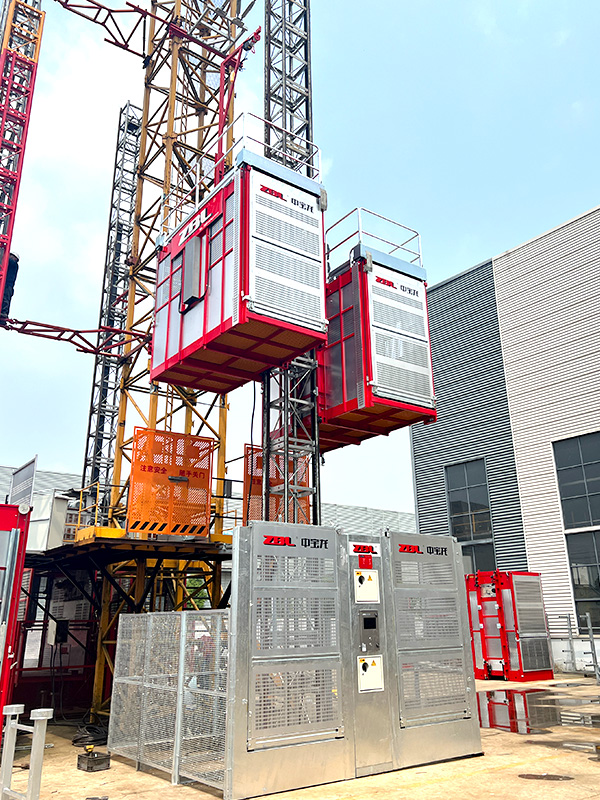 Custom SC200/200ZN Intelligent Construction Hoist Suppliers, ManufacturersJiangsu Zhongbaolong Construction Machinery Co., Ltd. is China custom SC200/200ZN Intelligent Construction Hoist suppliers and SC200/200...View Product →
Why Construction Hoists Are Essential
On any project above a few stories, moving crews and materials vertically is a bottleneck. A tower crane is fast but expensive per cycle, weather-sensitive, and often occupied with structural lifts. A construction hoist gives the site a dedicated, always-available vertical transport lane.
From high-rise residential blocks to public venues such as the Nantong Grand Theatre project, the same machine keeps both crew and materials moving. The concrete savings come from three directions:
- Productivity: two tons of material can be delivered to an upper floor in a few minutes, without waiting for crane availability or re-rigging slings.
- Safety: enclosed cages with interlocks and overspeed protection eliminate the manual hoisting and climbing methods that cause falls and overexertion injuries.
- Cost control: fewer crane cycles and less manual handling reduce labor hours, and temporary lifts can be rented or repositioned to match the construction phase.
For buildings over 30 meters, the construction hoist is no longer an option; it is the core logistics system of the site.
Key Factors When Selecting a Construction Hoist
Choosing the right hoist starts with a simple rule: match the machine to the heaviest anticipated load and the final lift height, not to the average day on site. The table below summarizes the main selection factors and what to verify before purchase or rental.
| Selection factor | What to check | Why it matters |
|---|---|---|
| Rated load capacity | Per-cage capacity, typically 1,000–3,200 kg | Determines how many pallets or workers can be moved per trip and affects cycle time. |
| Lift height | Maximum mast height with tie-in spacing | Mast sections and tie-in intervals must be planned for the final building height. |
| Travel speed | Low speed (about 33 m/min) vs. medium-high speed (about 63 m/min) | Faster hoists reduce waiting time on tall buildings but usually cost more to operate. |
| Drive and power supply | Variable frequency drive, installed motor power, site voltage | A VFD improves leveling accuracy, reduces wear, and saves energy during long lifts. |
| Cage size and configuration | Single cage, dual cage, or large assembled cage | Large cages reduce trips for bulky materials but require more mast space and tie-in strength. |
| Safety devices | Overspeed safety gear, door interlocks, overload limiters, limit switches | These devices protect personnel and are required for compliant site operation. |
Site conditions also matter. In high-altitude, low-oxygen environments, motor cooling and rated load need closer review. Extreme temperatures affect door seals, lubrication, and hydraulic or electrical components. And on congested urban sites, the layout of the mast, tie-ins, and loading bays may matter more than speed. In every case, the hoist should be specified together with the manufacturer's engineering team, not selected from a brochure alone.
Safety, Inspections, and Maintenance
A construction hoist is only as safe as its inspection routine. Structural damage to the mast, worn pinions, failed door interlocks, and faulty brakes are the most common root causes of hoist-related incidents. Daily checks before operation should include the following:
- Visual inspection of mast sections, bolts, and tie-in connections.
- Test of door interlocks, limit switches, and the emergency stop.
- Check of brake function and the overspeed safety gear mechanism.
- Confirmation that the load is within the rated capacity and properly distributed.
Routine servicing is just as important as daily checks. Worn gears, stretched cables, and degraded electrical components do not announce themselves clearly, and they can turn into major failures at height. The regular maintenance and upkeep of construction hoists should follow the manufacturer's schedule, include torque checks on mast bolts, and be documented on site so inspectors can verify compliance. Operators should be trained and authorized, and the hoist should never be used as a general freight elevator without the correct protective cage and loading rules.
Choosing the Right Supplier
Because a construction hoist is a long-term investment in site productivity, the supplier matters as much as the machine. Look for a manufacturer with a complete product line, in-house fabrication and testing capability, installation teams that understand local site conditions, and after-sales support for spare parts and servicing.
A supplier that builds its own mast sections, cages, transmissions, and cable guiding systems can respond faster to project-specific requirements. Customization is common on real sites: wall-mounted cage options, special door selections, large assembled cages for bulky loads, and drive packages tuned for low-speed or medium-high-speed operation. The more control the manufacturer has over these components, the easier it is to match the hoist to the building's geometry and schedule.
At the same time, verify real project experience. A manufacturer that documents completed installations across residential, commercial, transit, and cultural building types can usually anticipate the coordination problems that appear on site. Our complete construction hoist product range covers standard SC200 platforms, cargo hoists, and intelligent models, supported by installation, rental, and after-sales service. Pair that with proper maintenance planning and operator training, and the construction hoist will deliver exactly what it is designed to do: safe, predictable vertical transport from ground slab to rooftop, every working day.
