



Please leave your email address, So that we can get in touch with you as soon as possible.
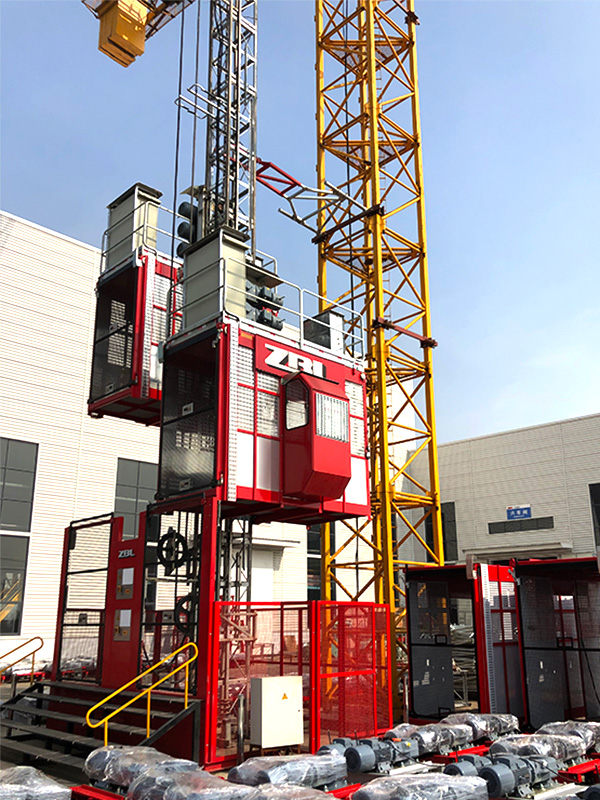
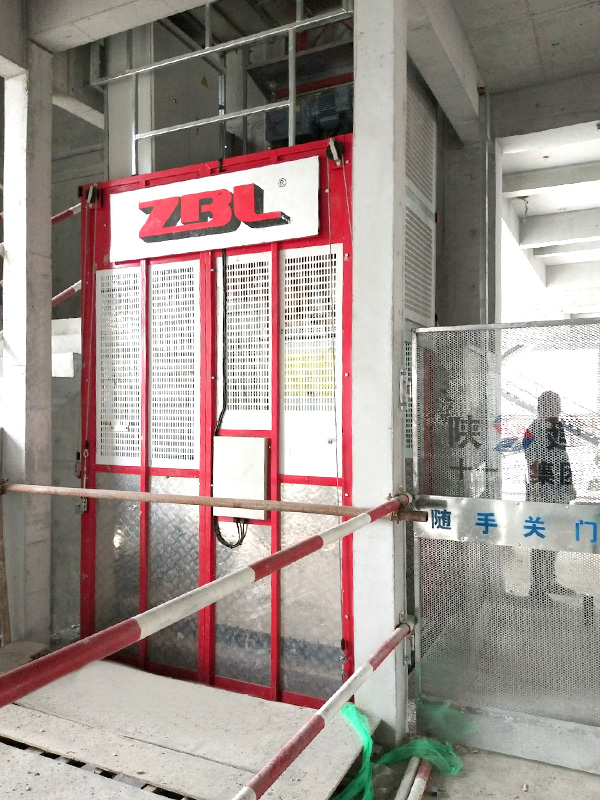
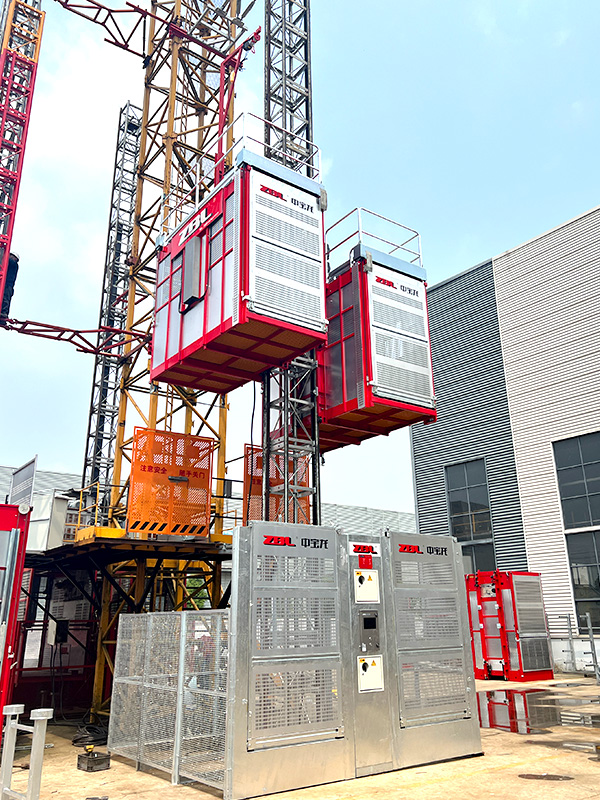
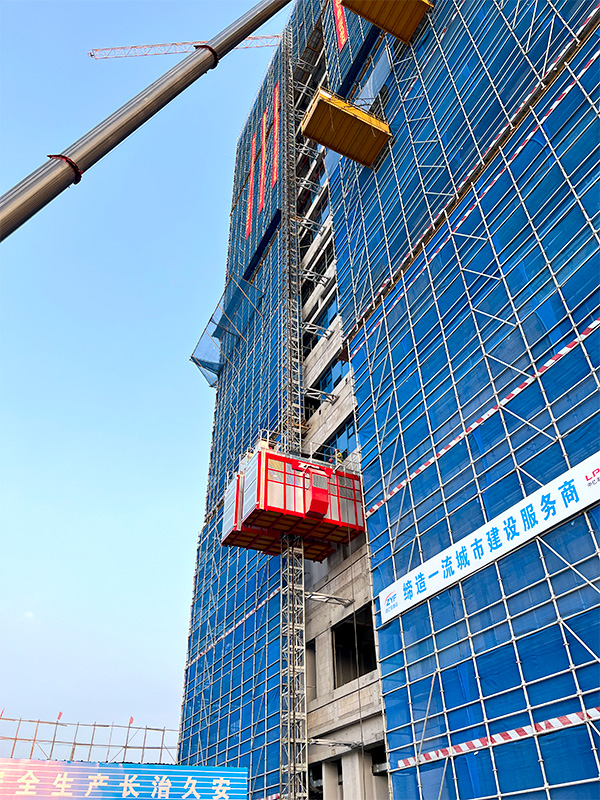
The high-rise construction elevator is connected to the tower through a series of tie-in frames that clamp around the elevator mast and bolt into steel anchor plates cast inside the concrete structure. These ties act as intermediate supports, preventing the mast from bending under its own weight and wind loads while keeping the elevator plumb as the building rises. Without a tie to the tower, the mast would be too flexible to climb safely beyond a limited height.
Why a Construction Elevator Cannot Simply Support Itself
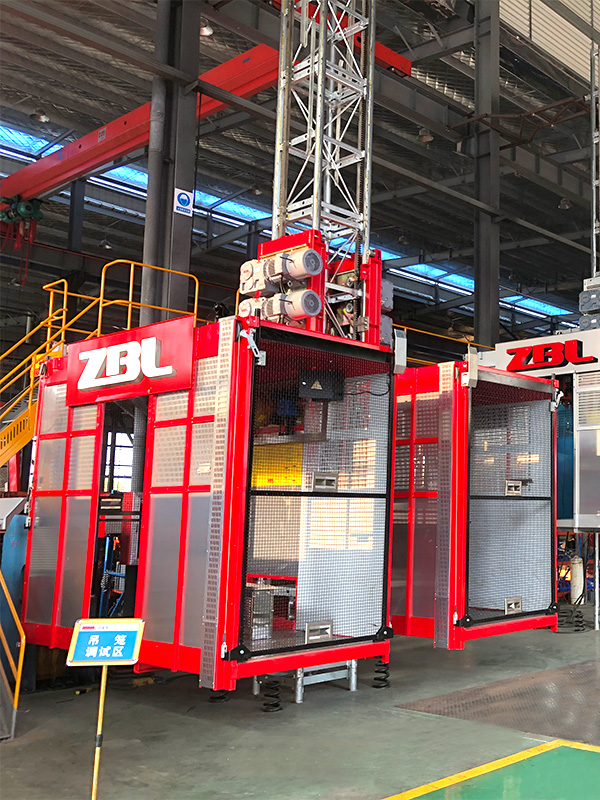
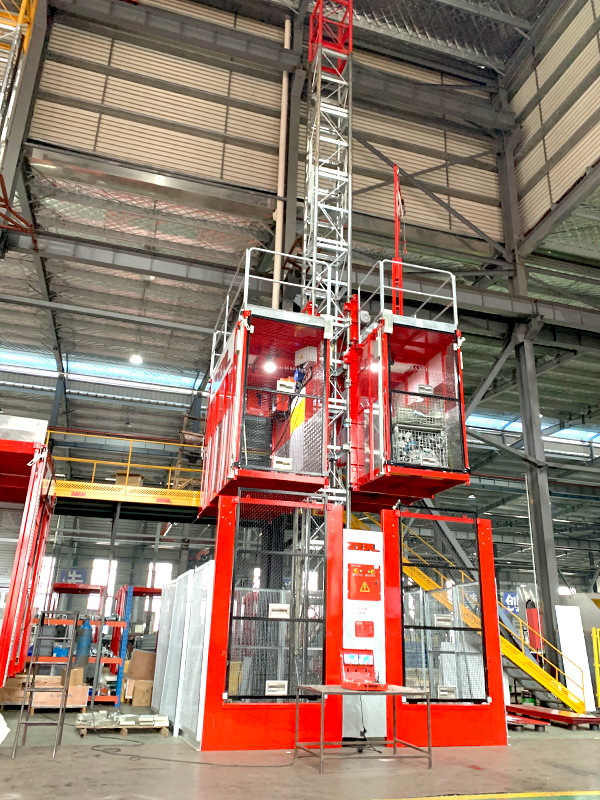
The mast of an externally installed construction elevator is not a self-standing tower. It is a lattice structure made of bolted mast sections, with racks that the pinions climb. The mast only reaches its full strength after it is braced to the completed floors of the building. The reason is simple: compression comes from the weight of the cage and the load being lifted, but lateral wind pressure and the eccentric position of the cage create bending moments at the base. An unsupported mast bends at the top; the higher it goes, the worse the deflection becomes.
Tie-in frames interrupt that bending path by dividing the mast into shorter unsupported spans. Horizontal force travels through the tie arms into the floor slab or wall, instead of building up in the mast base. Manufacturers normally specify a tie-in interval of roughly 6 m to 9 m, with a maximum free mast height above the highest tie that may be only a few metres when the next section is being added. Exact values depend on wind load, mast size, and the elevator class. Following that schedule is not optional: the connection sequence itself is part of the structural calculation.
The Three Main Parts of the Connection
Mast sections
The mast is the vertical rail system that everything else attaches to. Each standard section carries one or two racks, and sections are bolted together end to end. The mast exterior is also the surface where the tie-in frame clamps, so the bolt pattern and frame pitch of the tie-in frame have to match the mast model.
Tie-in frames
A tie-in frame is a steel collar, usually in two parts, that is clamped around the mast at the tie level. From the collar, two or three adjustable tie arms extend back to the building. The arms are the actual force path. They can be lengthened or shortened to push and pull the mast into its correct vertical position before final tightening.
Embedded anchor plates
The receiving point on the building side is usually a steel plate cast into the concrete. In formwork, the plate is positioned so its face is flush with the finished slab or wall. The tie arm bolts to this plate with high-strength bolts. In a steel-frame building, the same function is handled by a bracket clamped to the beam flange. The distance between the building face and the mast has to be fixed early, because it determines the length and angle of the tie arms.
How the Connection Is Made, Step by Step
Once the elevator foundation is cast and the first mast sections are erected, the connection work follows a regular routine on the next tie levels:
- Erect a new mast section on top of the existing mast and tighten the mast bolts to the prescribed torque.
- When the mast reaches the next planned tie position, place the tie-in frame around the mast and bolt it loosely.
- Expose the pre-cast anchor plate on the face of the concrete and clean the bolt holes.
- Attach the tie arms between the frame and the anchor plate. Adjust each arm in small steps so the mast does not lean from one side.
- Tighten all bolts and locknuts, and record the verticality reading in the daily inspection log.
- Repeat the same cycle until the elevator reaches the final height.
The exact schedule is defined by the hoist manufacturer, but the following parameters are typical for rack-and-pinion hoists on high-rise sites:
| Parameter | Typical value or range | Why it matters |
|---|---|---|
| Tie-in interval | 6 m to 9 m | Keeps the unsupported mast short enough to limit lateral deflection |
| Maximum free mast height above top tie | Usually 3 m to 6 m, depending on the manual | Controls sway before the next tie-in is installed |
| Verticality tolerance | 1/1000 of the measured mast height | Prevents bending loads and uneven rack-and-pinion wear |
How the Building Structure Affects the Connection
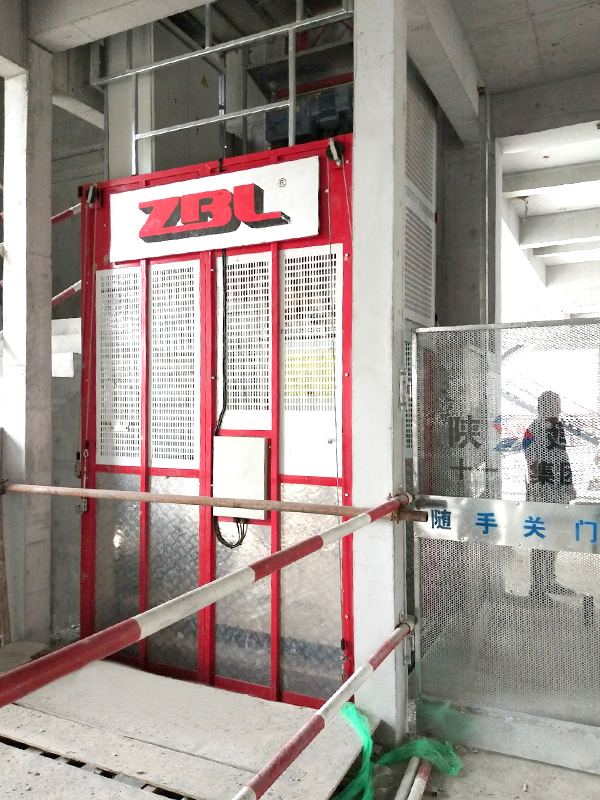
Different buildings make the same attachment principle look different on site. In a concrete frame or shear-wall structure, anchor plates are cast flush with the surface and the tie arm bolts directly to the plate. In a steel building, a clamp bracket is welded or bolted along the beam flange, which gives more flexibility in horizontal position. In a slender tower with a concrete core, the hoist is usually installed on the outside face of the core, so the tie arms can be kept short and rigid.
The location of the mast should be planned together with the structural engineer. The structural element receiving the tie arm needs enough capacity to absorb the horizontal reaction, especially in high-wind regions. If the anchor falls on a narrow column or a deep transfer beam, a different bracket may be required. For this reason, many contractors start by reviewing completed high-rise application cases to see how a particular hoist model is attached before they finalise the floor plan.
From a product selection point of view, the SC200 series construction hoist is a common choice for this type of external mast installation because its mast size and tie-in frame options match standard concrete slab edges.
 Custom SC200 Series Hoist for Construction Suppliers, ManufacturersJiangsu Zhongbaolong Construction Machinery Co., Ltd. is China custom SC200 Series Hoist for Construction suppliers and SC200 Series Hois...View Product →
Alignment Checks After Each Tie-In
The quality of the connection is most visible in the mast verticality. A common acceptance tolerance is 1/1000 of the measured mast height. That means a 50 m mast should not deviate more than 50 mm from the vertical line. The measurement is done with a theodolite or a laser plummet after every tie-in frame is tightened. If a tie arm is too long or too short, the top of the mast will drift and the cage will rub against the guides.
All tie-arm bolts should be re-checked after the first few days of operation. Concrete shrinks, formwork settles, and the anchor plate can move slightly under load. A slack tie arm is dangerous because it removes the lateral support at that level. Some modern hoists now include monitoring that flags abnormal motor current or guide shoe wear. On intelligent models such as the SC200-200ZN intelligent construction hoist, the central controller can warn the operator before a small alignment issue becomes a serious repair.
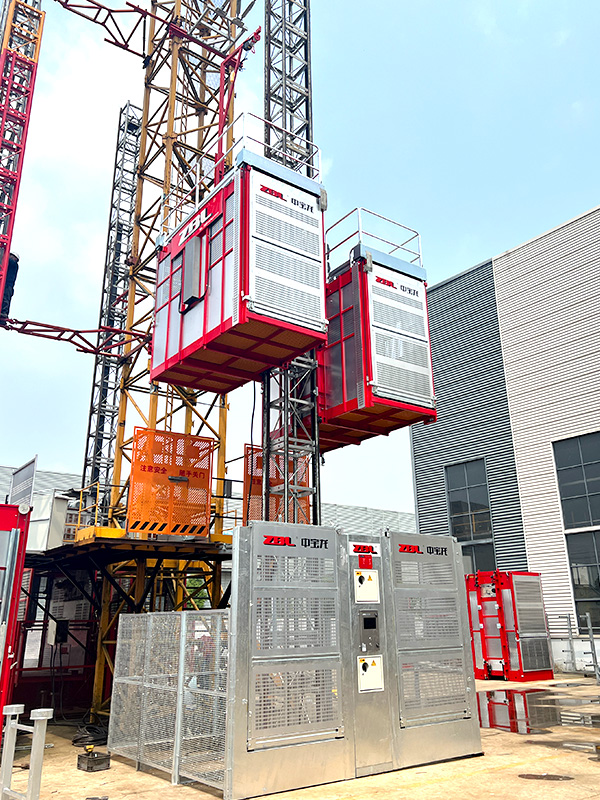 Custom SC200/200ZN Intelligent Construction Hoist Suppliers, ManufacturersJiangsu Zhongbaolong Construction Machinery Co., Ltd. is China custom SC200/200ZN Intelligent Construction Hoist suppliers and SC200/200...View Product →
For a broader explanation of how vertical geometry and tie-in anchors interact, see why a hoist for construction can remain stable.
When the Tower Is Taller, the Tie-In Rhythm Slows Down
The connection schedule has a practical cost: every time the mast reaches a new tie-in level, the crane and the installation crew have to coordinate, check verticality, and repeat the bolting sequence. In a building above 100 m, those stops add up. A variable-frequency medium-and-high-speed construction hoist reduces the time spent travelling between tie-in levels. The drive system accelerates and decelerates smoothly, which is particularly useful on a long external mast where every extra cycle of loading and unloading can create fatigue on the tie-in points. On such projects, the connection plan and the hoist speed are chosen together.
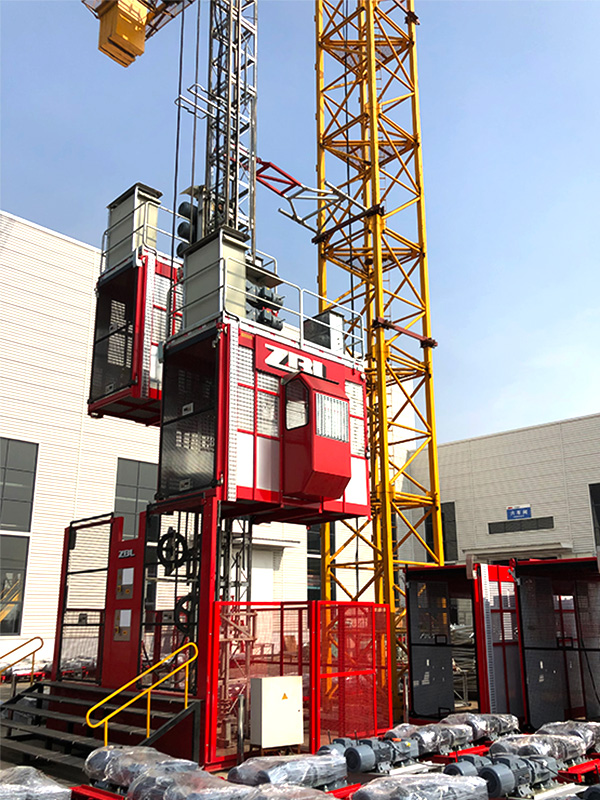 Custom Variable Frequency Medium And High Speed Construction Hoist Suppliers, MaJiangsu Zhongbaolong Construction Machinery Co., Ltd. is China custom Variable Frequency Medium And High Speed Construction Hoist supplie...View Product →
A construction elevator is not connected to a tower by one strong bolt or a single bracket. It is connected by a repeated system of clamps and anchors that climb with the structure. Each tie-in point transfers lateral load, enforces verticality, and gives the next mast section a stable base. That is why the connection details matter as much as the elevator motor or the capacity of the cage.
