



Please leave your email address, So that we can get in touch with you as soon as possible.
Dual-Purpose Design:
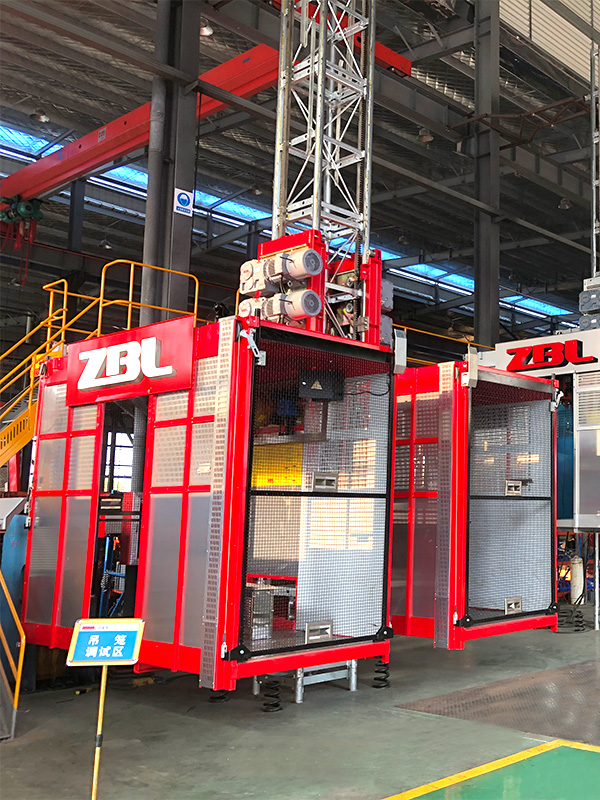
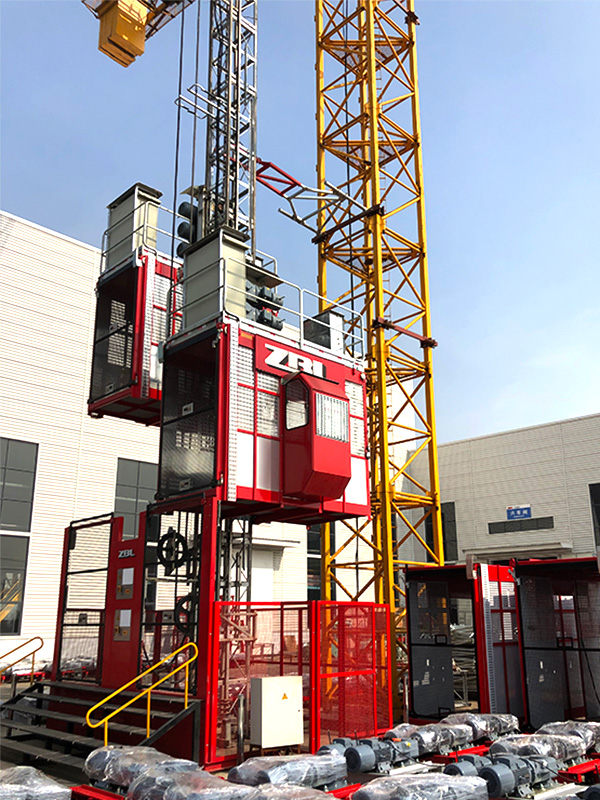
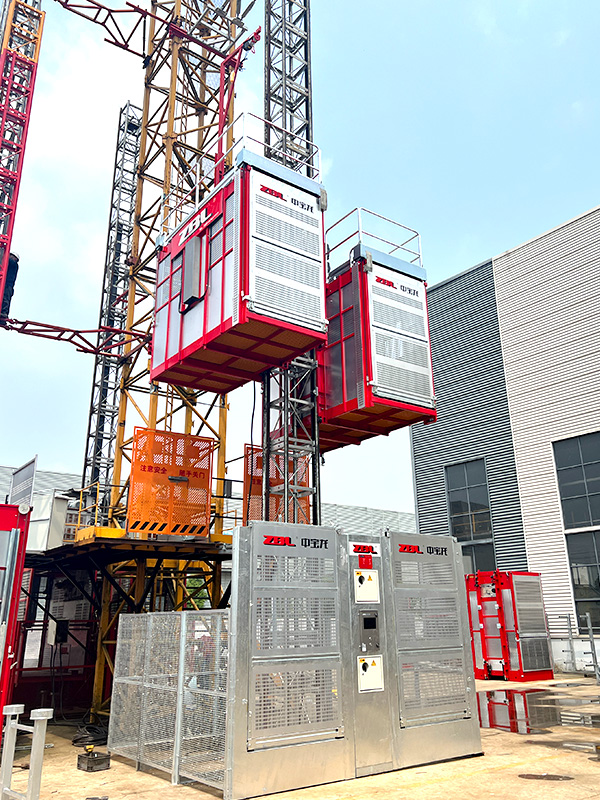
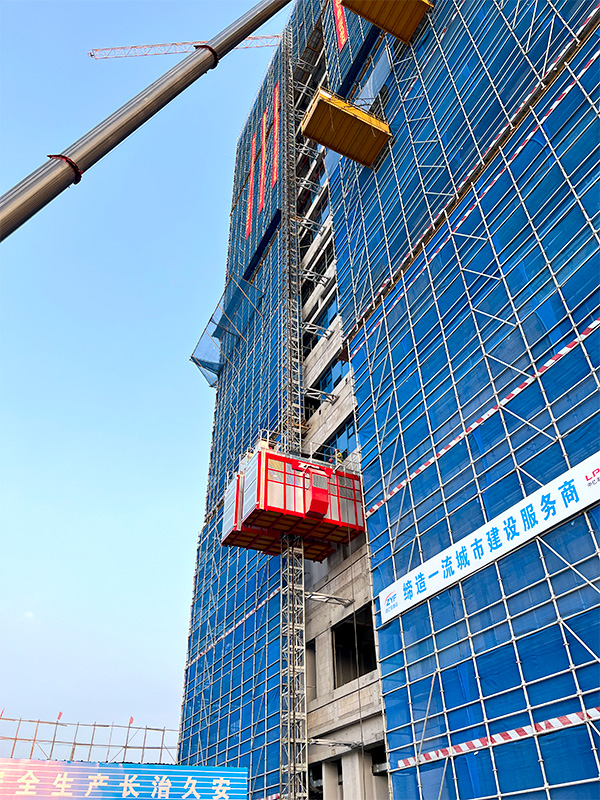
The Construction Building Elevator (Hoist) is specifically designed to serve dual functions on construction sites: transporting workers and construction materials. This flexibility is essential, as construction projects require the movement of both people and heavy materials between multiple levels of a building. The hoist typically has a spacious platform that can carry several workers at a time with their tools and equipment, allowing efficient transportation between floors. Workers can easily access their designated work areas or shift between levels, improving workflow and reducing time spent using stairs or scaffolding.
The platform is designed to handle a variety of materials, from light tools and construction supplies to heavy loads such as bundles of steel, concrete blocks, or machinery. This makes the hoist an integral piece of equipment for multi-purpose use, ensuring that construction teams do not need to rely on separate systems for material and personnel transportation, ultimately reducing logistical complexity and costs.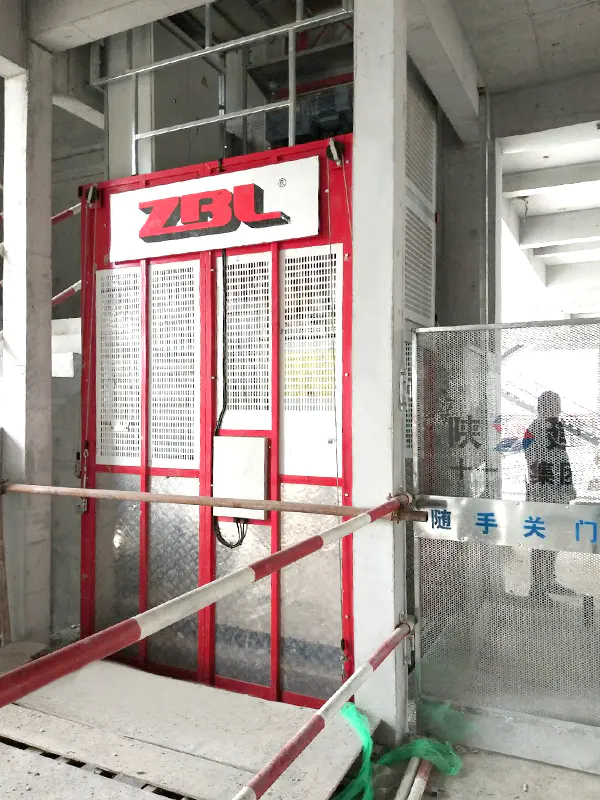
Material Handling Capability:
The material handling capacity of a construction hoist is one of its most important features. Unlike passenger elevators, which are primarily designed to transport people, a construction hoist is built to carry large, heavy construction materials. It is engineered with a much higher weight tolerance, typically able to handle several tons of material at a time. Materials such as concrete bags, large steel beams, equipment, insulation, pipes, and precast building elements can be safely transported up and down the building using the hoist.
The hoist's ability to carry bulky loads reduces the need for cranes to handle small to medium-sized materials, freeing them up for larger, more complex tasks. This diversion of tasks allows cranes to focus on lifting heavier items such as structural components or large machinery, while the hoist efficiently moves smaller materials. This segregation of tasks optimizes workflow and enhances overall site productivity, as materials can be moved in parallel with the structural work being carried out by cranes and other machinery.
Platform Size and Design:
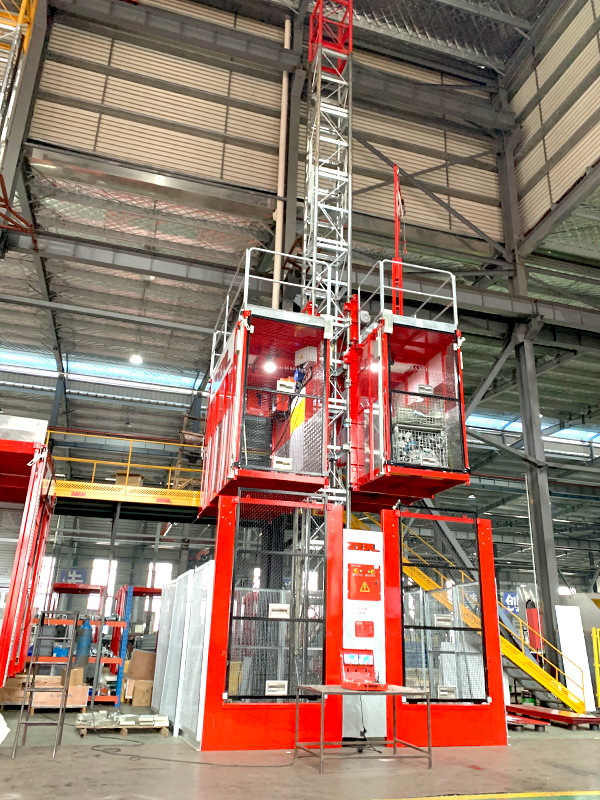
The design of the platform is crucial for efficiently transporting materials and personnel. Construction hoists typically feature large, sturdy platforms that can accommodate multiple workers along with a substantial amount of construction materials. The platform's size can vary depending on the specific needs of the site, and in many cases, it can be customized to fit specific loads. For example, larger hoists can transport multiple pallets of materials, heavy machinery, or tools for a large workforce.
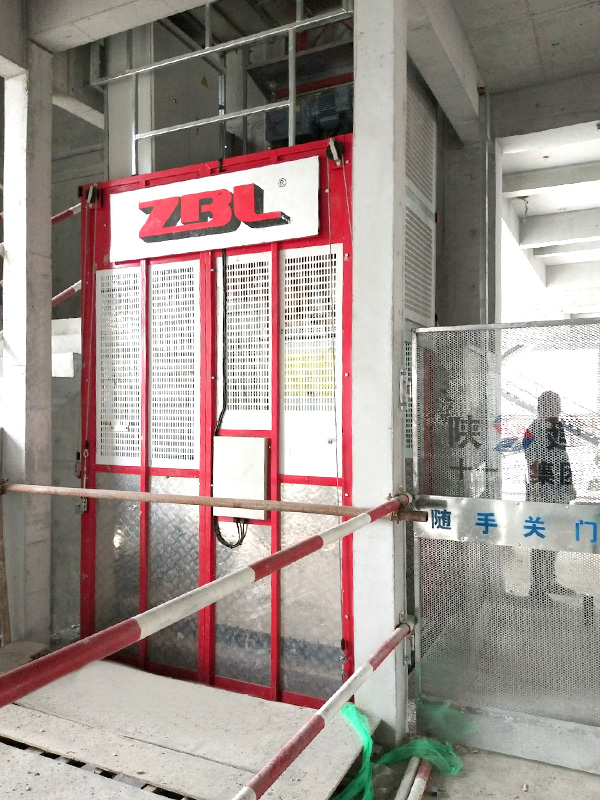
Safety is a priority in the design, with many hoist platforms featuring guardrails, netting, or enclosed cages to prevent materials or personnel from falling during transport. The non-slip flooring and strong, reinforced frames ensure that even when heavy or bulky items are being transported, there is no risk of them slipping or damaging the hoist. The versatility of the platform design also ensures that it can be adapted for a variety of load types, from materials that need to be stored temporarily to items that are actively being worked on.
Multiple Loading and Unloading Points:
Efficient loading and unloading is a key component of the construction hoist's functionality. On construction sites, particularly in large or multi-story buildings, there are often multiple loading zones to facilitate quick access to the hoist. These zones are designed to allow workers to quickly load or unload materials without interrupting the workflow on other floors.
The hoist typically offers side-access doors or tilting platforms, enabling materials to be loaded or unloaded on either side of the platform, depending on which side of the building or construction zone is most accessible at that moment. This flexibility significantly reduces waiting times for workers and materials, allowing the hoist to operate continuously throughout the day. For example, materials can be moved directly from the ground floor to higher levels, while workers can be carried from floor to floor or between the work areas. This smooth integration of logistics and transportation helps optimize the time spent on each task, speeding up overall project timelines.
Increased Safety for Personnel:
Safety is a primary concern on any construction site, and the construction hoist is specifically designed to ensure the safety of both workers and materials during vertical transportation. These elevators come with several built-in safety features, including emergency stop buttons, overspeed governors, load sensors, and manual and automatic braking systems to prevent accidents caused by overloading or malfunctioning equipment.
The platform is often designed with enclosed walls or cages that protect personnel from falling debris or accidents. In addition, netting or guardrails are installed to secure the materials being transported and prevent them from spilling out or shifting during transit. Furthermore, the non-slip flooring on the platform ensures that workers have a firm footing while the elevator is in motion, and many systems include step-rails or safe entry/exit points that allow workers to enter or exit the hoist without exposing themselves to unnecessary risks.
Efficiency and Time-Saving:
Construction hoists are built to maximize efficiency on a construction site by providing fast, continuous transportation for both workers and materials. By using the hoist to carry materials between floors, workers do not need to rely on manual lifting or external cranes for every material transport task, which can be time-consuming and inefficient. Instead, the hoist ensures that materials are delivered to precise work areas in a timely manner, reducing the time spent waiting for materials to be manually transported or for larger machinery like cranes to lift smaller loads.
The ability to simultaneously transport materials and workers between different levels of the building also cuts down on downtime, ensuring that construction processes move forward without interruptions. This constant movement of workers and materials streamlines workflow, improving site productivity and reducing overall construction timelines.
