



Please leave your email address, So that we can get in touch with you as soon as possible.
Coordination with Cranes:
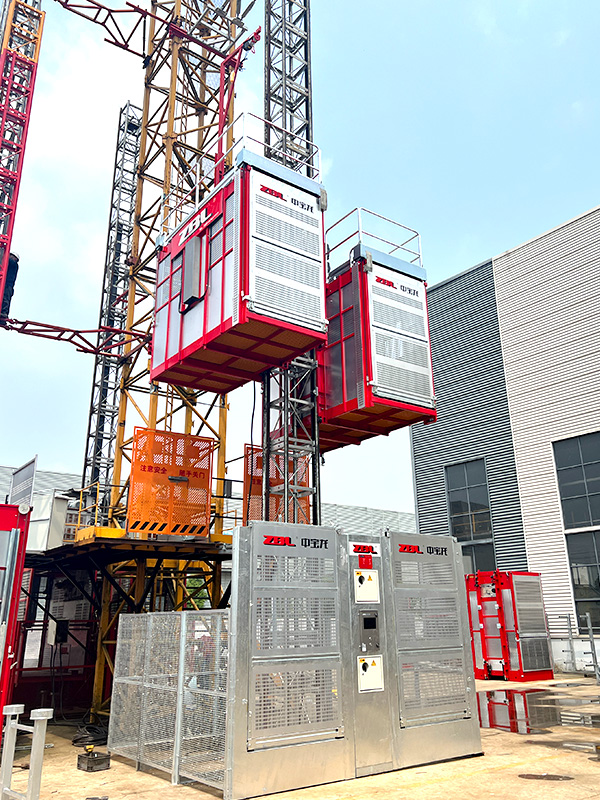
Construction elevators and cranes work in tandem to optimize material handling on a construction site. Cranes are primarily used for lifting large, heavy materials like structural beams, concrete slabs, and pre-fabricated panels to high-rise floors or construction zones. These cranes typically operate in specific lift zones, making them ideal for bulk and heavy lifting but impractical for smaller, lighter items. This is where the construction elevator comes in. While the crane is focused on lifting large components, the construction elevator is used for transporting smaller materials and workers between various floors. For instance, materials such as tools, insulation, electrical supplies, and smaller machinery that do not require crane lifting can be moved using the construction elevator.
The coordination between these two machines is crucial to ensure smooth operations. Construction site planners typically schedule elevator usage around crane operation times to avoid conflicts and bottlenecks. For example, the elevator may be used to carry materials when the crane is lifting large, heavy items or when workers need to be moved to specific floors, especially when crane access is limited or unavailable. By organizing their use in staggered shifts, project managers can prevent overcrowding in the working area and ensure constant movement of materials, thus minimizing downtime.
Movement of Materials Between Levels:
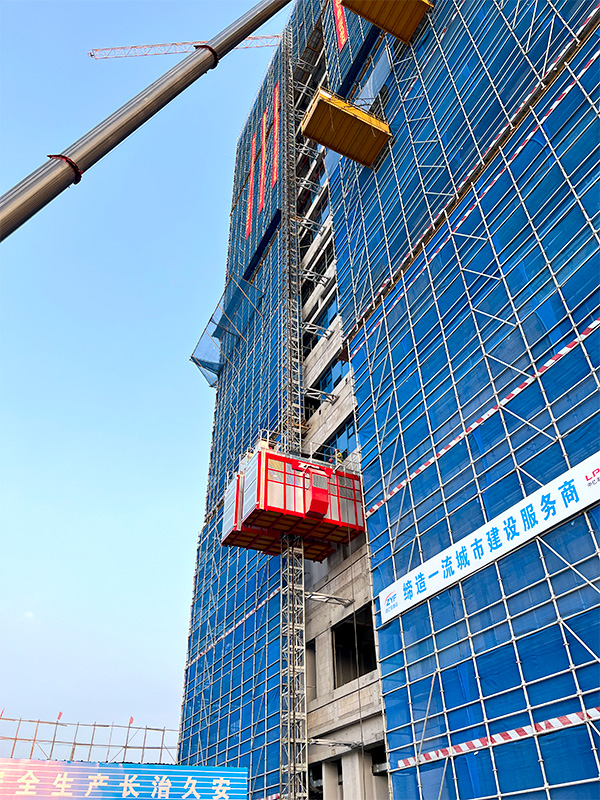
On multi-story construction sites, the integration of a construction elevator with cranes is essential for the vertical distribution of materials across floors. Cranes typically handle the high-level lifting, moving large loads to the upper floors or placing significant components in place. However, these materials often need to be distributed across various levels within the building for use by construction workers. Here, construction elevators become indispensable. Once the crane places a material on an upper floor or rooftop, the construction elevator is used to move materials across different levels of the building.
For instance, construction workers on lower floors may need materials like pipes, electrical wiring, or small equipment, while higher floors require building components such as drywall or flooring. The elevator ensures that materials can be moved quickly and efficiently from the crane placement area to the specific floors where they will be used. In large projects, especially high-rise buildings, cranes might be dedicated to lifting materials to a specific height, and construction elevators handle the distribution and further transport of these materials to different floors, facilitating a seamless flow of materials without overlap.
Complementing Other Heavy Machinery:
In addition to cranes, construction elevators work alongside other types of heavy machinery and equipment such as forklifts, skid-steer loaders, and concrete pumps. Each machine has a specific role in material handling, and integration with construction elevators ensures optimal site efficiency. For instance, once a crane places a large slab of concrete on an upper floor, concrete pumps may be used to distribute concrete to form structures or foundation work at that level. Forklifts or skid-steer loaders can then move smaller materials like pallets of construction tools or other light equipment to the elevator. From there, the construction elevator can safely transport the items to the correct floor.
In some cases, the construction elevator itself can act as a connector between the ground level and upper floors, ensuring that materials which are too cumbersome or numerous to be handled by a crane are still transported effectively. While a crane can lift bulky materials vertically, forklifts or other machinery may still be needed to move materials from the elevator onto specific work areas or temporary storage zones on the floors. This symbiotic relationship between equipment ensures that the site remains organized, with each machine complementing the capabilities of the others.
Safety and Workflow Integration:
A construction site is inherently a high-risk environment, and the coordination of multiple heavy machinery, including cranes and construction elevators, is essential to ensure safety and efficiency. Construction elevators are equipped with various safety mechanisms to protect workers and materials, including overspeed governors, emergency brakes, and load limiters. These features ensure that elevators can move heavy materials or workers safely and prevent accidents related to overloading or malfunction. When integrated with other equipment like cranes, these safety features ensure that personnel and equipment are moved efficiently between various work zones without being exposed to unnecessary risks.
In addition to physical safety mechanisms, the coordination of workflow processes is equally important. Effective communication and proper planning are required to avoid accidents. For example, workers must be trained to follow specific safety protocols when using construction elevators near cranes or other machinery. Work areas must be clearly defined, and both elevator operators and crane operators should have a clear understanding of their operating zones to avoid collisions or confusion. Site managers use traffic management plans to optimize machinery use by providing clear guidelines for the movement of materials, workers, and machinery within defined zones to prevent congestion or accidents.
Space Optimization:
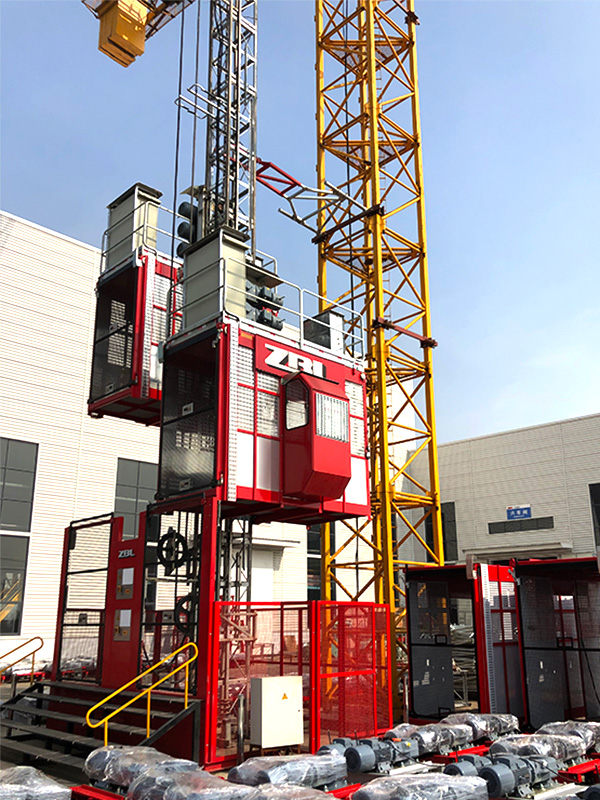
Construction sites, especially those for high-rise buildings, can be space-constrained, which makes the integration of multiple machines a challenge. The construction elevator and crane must both operate within a limited area, and careful planning is necessary to maximize the use of available space. The elevator, often mounted on the exterior of the building, can serve as a critical access point for transporting materials vertically, enabling workers and equipment to reach different floors without interfering with crane operations. The elevator operates as a parallel system to cranes, reducing the demand for crane space by taking on the load of smaller materials and personnel transport.
The integration of a construction elevator and other heavy machinery ensures that each type of equipment is used to its optimal capacity. For example, the elevator can transport small to medium-sized materials while the crane is used for large components. This segmentation of tasks ensures that both pieces of equipment work in tandem without interfering with one another, improving overall site workflow efficiency. It also ensures that the construction site’s footprint is utilized efficiently, making it possible to have large machinery like cranes without overcrowding the site, allowing for smoother operations and quicker progress on the building project.
