



Please leave your email address, So that we can get in touch with you as soon as possible.
Purpose and Functionality:
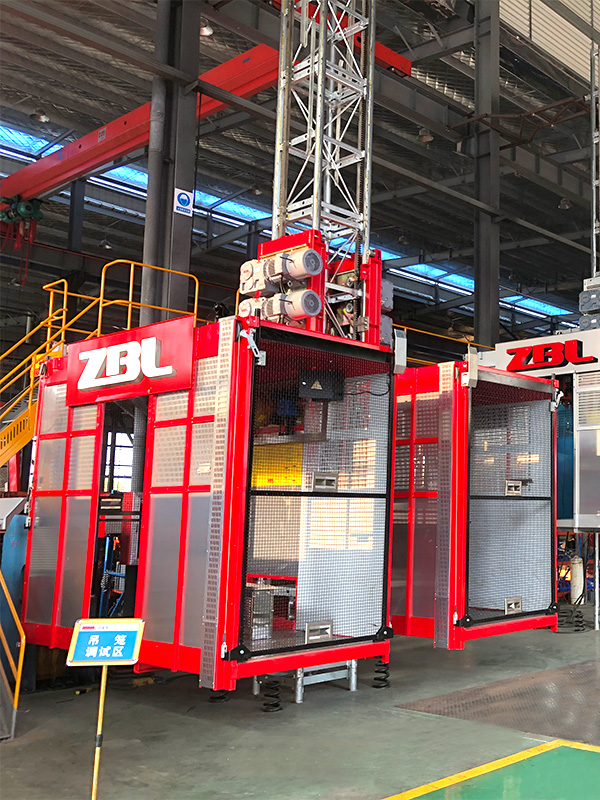
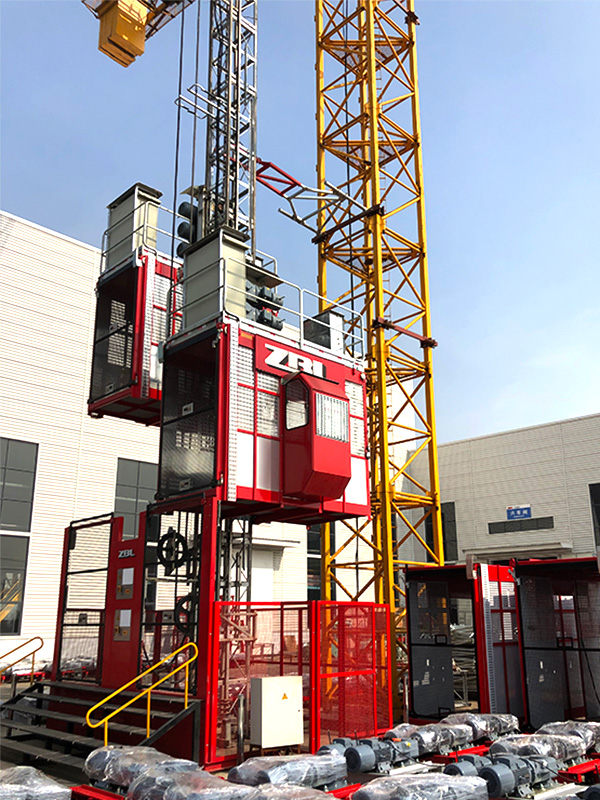
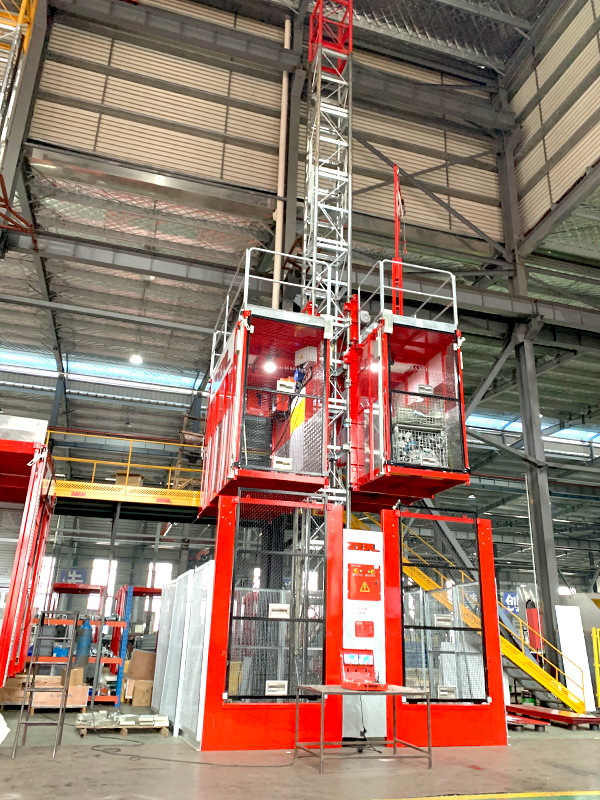
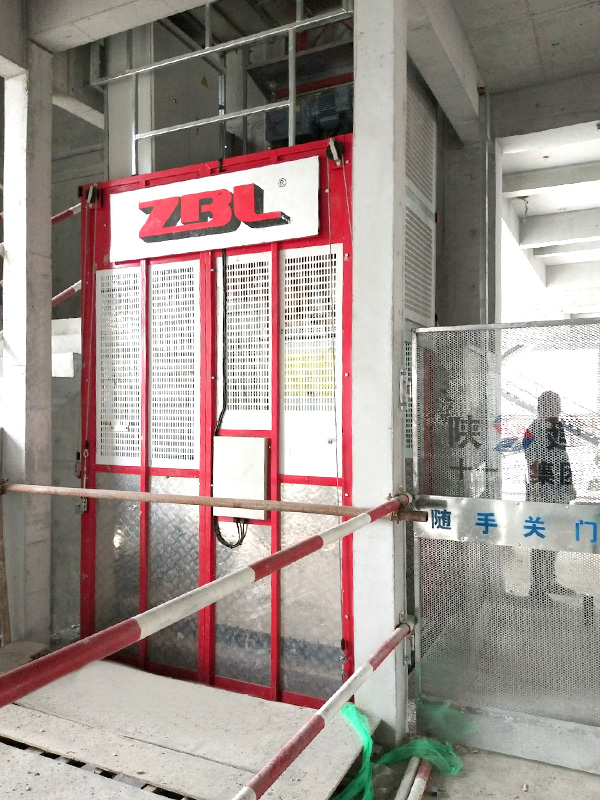
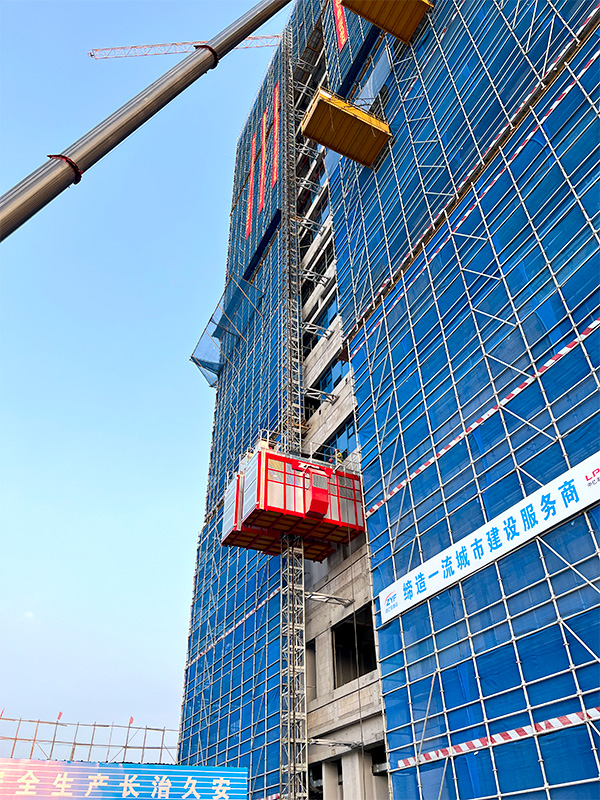
The construction elevator is designed primarily for temporary use on construction sites to transport materials, equipment, and workers between different floors during the building process. It is built to meet the demands of heavy-duty use, transporting substantial loads, such as bundles of steel, bags of cement, tools, and multiple workers at once. Its functionality extends beyond human transport to include the movement of construction materials, which is not a function of standard elevators. Construction elevators are also used in the initial stages of a building’s development, with modular designs allowing them to be relocated as the building progresses.
In contrast, a regular passenger elevator is designed for permanent installation within a finished building and focuses exclusively on people transportation. These elevators prioritize comfort, speed, and reliability for daily building occupants, with no capacity for carrying heavy building materials. Unlike construction elevators, passenger elevators are permanent fixtures that remain in place throughout the life of the building, making them more suited for long-term use rather than the rugged, temporary needs of construction projects.
2. Weight Capacity:
Construction elevators have a significantly higher weight capacity than regular passenger elevators due to their primary function of transporting heavy materials and large groups of workers. The typical weight capacity of a construction elevator can range from 1,000 kg to 3,000 kg (2,200 lbs to 6,600 lbs) or more, allowing them to carry large quantities of materials such as construction tools, machinery, steel beams, or even entire construction units. In some cases, they are designed to carry multiple workers along with the equipment, which can add to the total weight being lifted.
In contrast, passenger elevators generally have a much lower weight capacity, typically ranging from 500 kg to 1,500 kg (1,100 lbs to 3,300 lbs). These elevators are designed to carry people—usually between 6 and 15 individuals—with a focus on comfort and accessibility. They are not intended to carry heavy or bulky items like construction equipment, making them less suited to the demands of construction sites where materials and workers need to be lifted simultaneously.
3. Design and Structure:
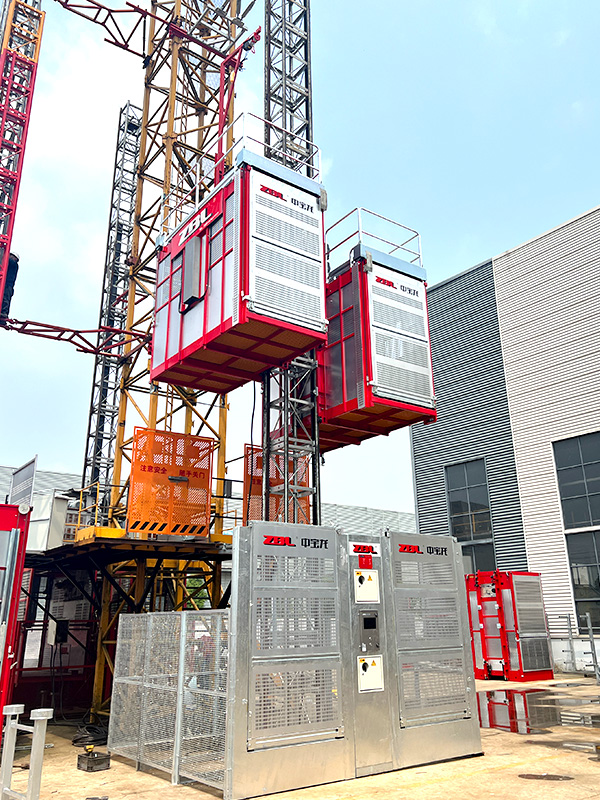
The design of construction elevators is optimized for rugged, industrial use. These elevators are built with sturdy, heavy-duty materials to withstand the harsh conditions of construction sites, including exposure to dust, debris, and severe weather. Construction elevators often feature open-sided platforms or cage enclosures, allowing for easy loading and unloading of materials. The modular design allows them to be assembled and disassembled quickly, which is essential for the changing requirements of a construction site.
The platform size can vary, with larger elevators designed to carry multiple workers or large loads simultaneously. In contrast, passenger elevators are enclosed within the building structure, often featuring decorative elements, smooth walls, and automated doors. These elevators are designed for user comfort and aesthetic appeal, focusing on providing a safe and pleasant transport experience for people. Passenger elevators also require a shaft in which all components (cables, controls, etc.) are housed, as opposed to the more exposed, external mounting common with construction elevators.
4. Speed and Operation:
Construction elevators generally operate at slower speeds compared to regular passenger elevators because they prioritize heavy load capacity and safety over speed. Their typical speed ranges from 0.5 m/s to 1.0 m/s (1.6 to 3.3 feet per second), which is appropriate for lifting materials and workers in a controlled manner over shorter distances. Since the goal is to carry heavy and bulky loads while ensuring the safety of workers, the speed is not a priority. Construction elevators often run continuously or for extended hours throughout the workday. On the other hand, passenger elevators in residential or commercial buildings are designed for quick, efficient transport of people. These elevators operate at much faster speeds, typically between 1.0 m/s to 5.0 m/s (3.3 to 16.5 feet per second), to minimize wait times and provide smooth vertical transport across multiple floors. The speed of passenger elevators ensures that occupants can reach their destinations quickly and without delay, which is essential for office buildings, hotels, and other commercial spaces.
|
Parameter |
Specification |
Description |
|
Weight Capacity |
1,000 kg to 3,000 kg (2,200 lbs to 6,600 lbs) |
Designed to carry heavy construction materials and multiple workers. |
|
Speed |
0.5 m/s to 1.0 m/s (1.6 to 3.3 feet per second) |
Slow speed, optimized for heavy load transport on construction sites. |
|
Design |
Modular, Open-sided or Enclosed Platforms |
Built for temporary use, easily assembled and relocated. |
|
Safety Features |
Emergency braking, Overload protection, Guardrails/Netting |
Enhanced safety features for both workers and materials. |
|
Energy Consumption |
Higher power consumption with energy-efficient options available |
Typically uses more energy, but modern models offer energy-saving solutions. |
5. Safety Features:
Safety is a paramount consideration in both types of elevators, but the safety features differ due to the varied use cases. Construction elevators are equipped with robust safety mechanisms to address the risks associated with heavy materials and workers being transported on-site. Common safety features include overspeed governors, which prevent the elevator from descending too quickly in the event of a malfunction, and emergency braking systems that activate if the elevator exceeds a safe speed. They may also be equipped with load limiters to prevent overloading and guardrails or netting to keep materials secure and prevent falling debris.
Many construction elevators feature safety cages or enclosed platforms to protect workers from falling. Passenger elevators, by contrast, are primarily focused on human safety. They are equipped with door sensors to prevent the doors from closing if an obstruction is detected, leveling systems to ensure smooth stops, and fire-resistant materials in the shaft and cabin. Additionally, modern passenger elevators may include emergency communication systems, such as phones or intercoms, to allow passengers to contact building personnel in case of an emergency.
6. Control and Operation Systems:
Construction elevators are typically operated through manual or mechanical control systems, which can be located at the ground floor or on higher floors, depending on the needs of the job site. Some modern construction elevators may include remote control systems or automated hoisting to make operation easier and more efficient. These control systems are designed for simplicity and functionality, allowing operators to adjust the speed and direction of the elevator as needed while supervising loading and unloading from both the ground and upper floors. Passenger elevators, on the other hand, are often controlled by automatic control systems, where passengers simply press a button to select their destination floor. Touchscreens, voice-activated controls, or destination dispatch systems are common in more modern and high-tech systems. These systems optimize elevator usage by grouping passengers traveling to the same or nearby floors. The goal of passenger elevator systems is to ensure user-friendly operation and reduce wait times, providing smooth, reliable service to occupants.
