



Please leave your email address, So that we can get in touch with you as soon as possible.
Reinforced Structural Framework for Maximum Load and Fatigue Resistance
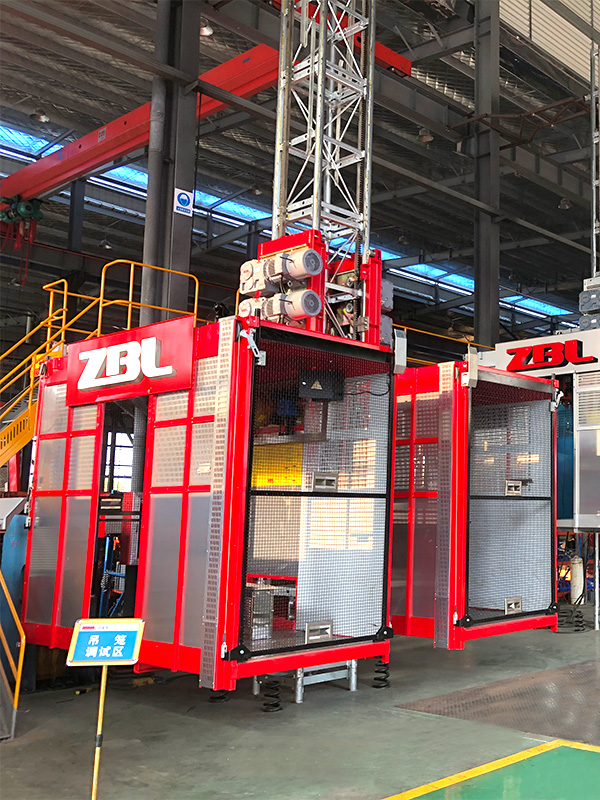
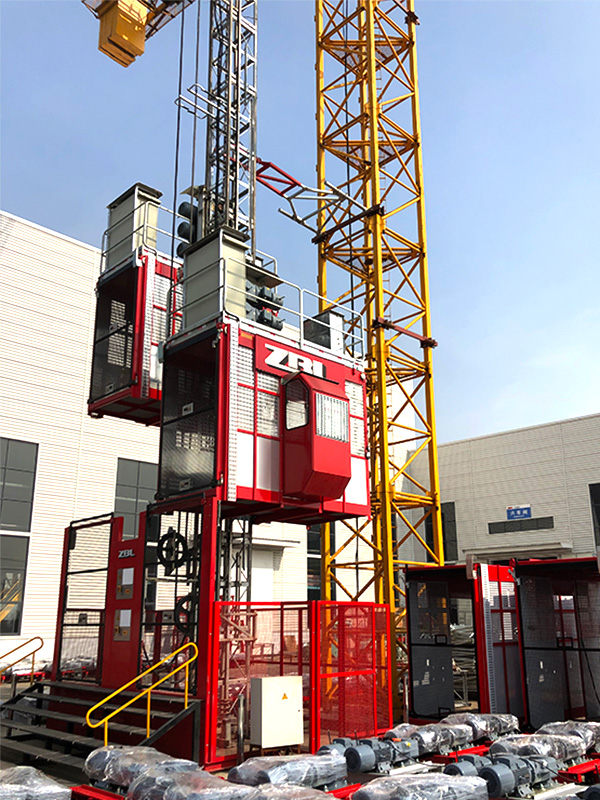
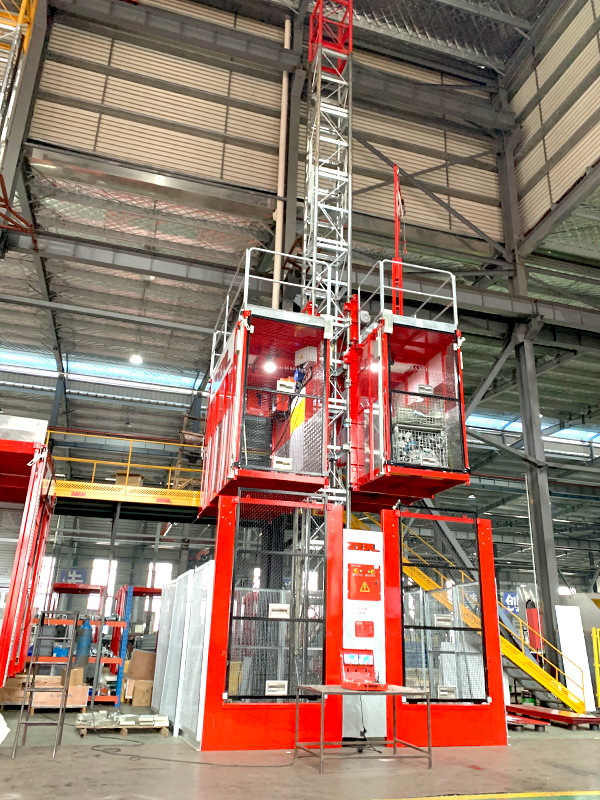
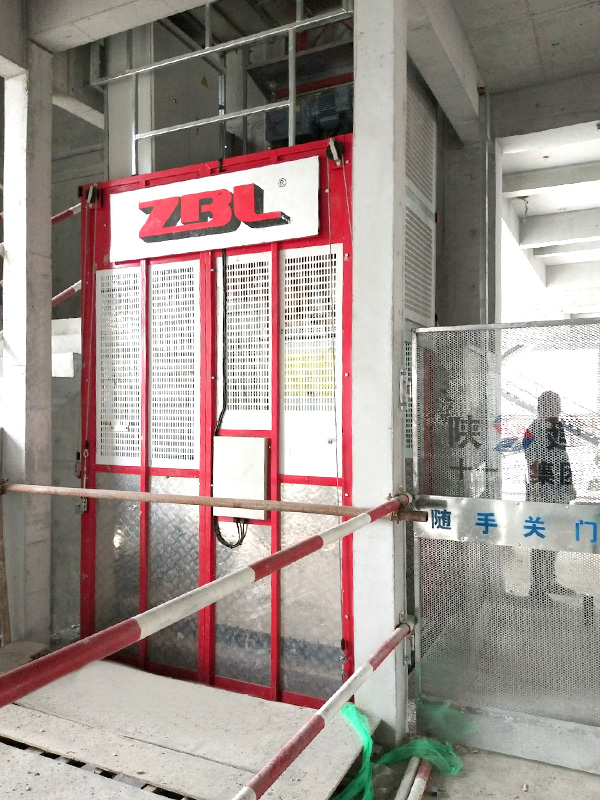
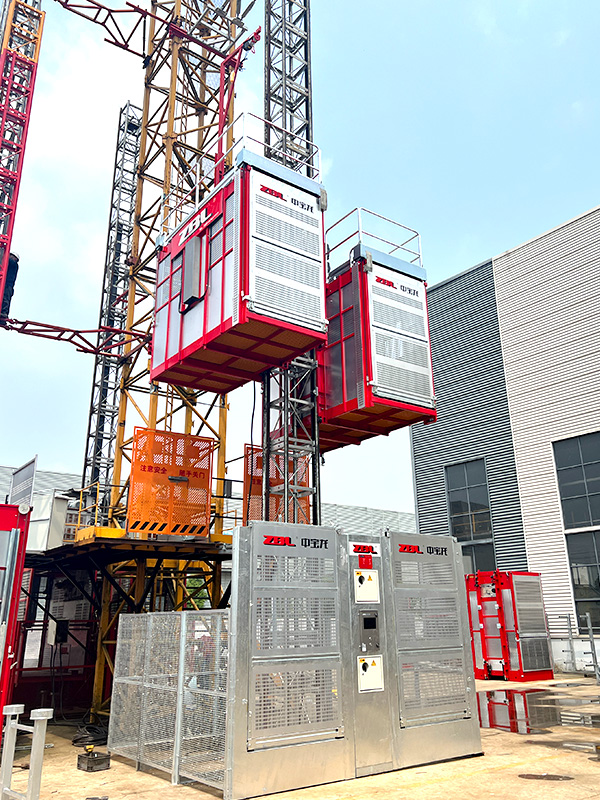
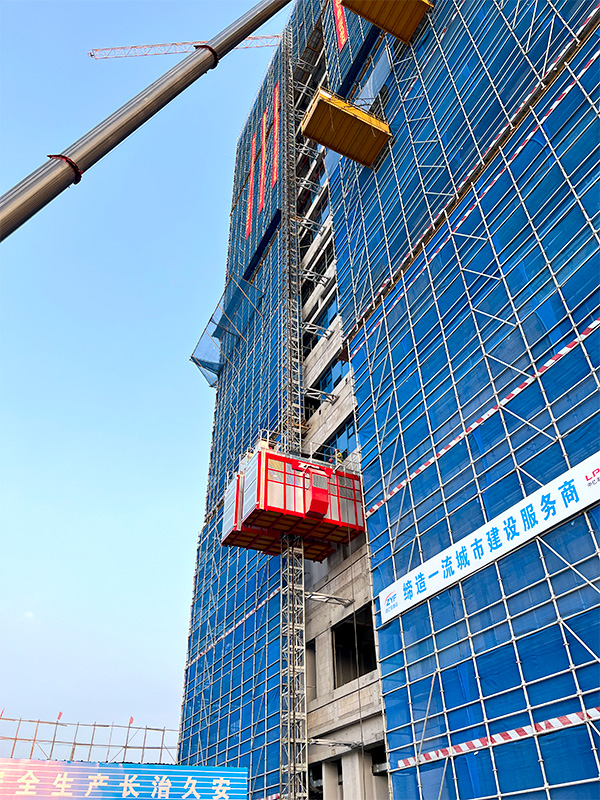
The Construction Building Elevator is designed with a reinforced structural framework that emphasizes maximum durability under heavy and repetitive usage. The primary mast system, which guides the vertical travel of the elevator cage, is constructed from high-strength, fatigue-resistant steel profiles that can withstand cyclic stress and long-term operational loads without permanent deformation. Each mast section is precision-machined to ensure dimensional accuracy, and the sections are anchored to the building or foundation at regular intervals using robust fasteners and anchoring plates. This anchoring system minimizes lateral deflection and torsional movement, which can otherwise contribute to premature fatigue. The elevator cage and base incorporate a network of cross beams and load-spreading plates designed to evenly distribute vertical and dynamic loads across the entire cage floor, reducing localized stress points. Reinforced sidewalls and roof structures prevent bending or buckling when transporting off-center or asymmetrical loads, ensuring consistent stability. These structural reinforcements provide not only mechanical resilience but also operational reliability, allowing the elevator to handle repeated lifting cycles, heavy construction materials, and mixed cargo without compromising safety or performance over extended periods.
Precision Guide Rails and Heavy-Duty Roller Systems for Reduced Wear
The Construction Building Elevator employs high-precision guide rails and heavy-duty roller assemblies to minimize wear and maintain smooth, stable vertical travel under heavy or uneven loads. Guide rollers are constructed from hardened steel, often with self-lubricating polymer bushings, to reduce friction and mitigate wear between the rollers and mast rails. Each roller assembly is mounted on vibration-damping supports designed to absorb lateral forces caused by dynamic loads, such as shifting materials or personnel movement, preventing the transmission of impact stresses to the mast or cage structure. Anti-sway mechanisms are incorporated to limit side-to-side movement, ensuring the cage remains aligned with the mast even under off-center or long material loads. The guide rails themselves are machined to tight tolerances and reinforced to withstand repeated cycles of high-frequency operation without deflection or wear. These design features ensure that the elevator maintains smooth, stable movement while reducing mechanical friction and wear on critical components, which prolongs service life and enhances operational safety. The precision rail and roller system is essential in preventing misalignment, excessive vibration, and premature degradation of the elevator’s structural and moving components, even in demanding construction environments.
| Parameter Category | Specification | Key Feature | Benefit |
| Structural Durability | Reinforced steel frame | High-strength mast and cage | Stable operation under heavy loads |
| Guide & Rollers | Precision guide rails | Heavy-duty anti-sway rollers | Smooth, stable vertical travel |
| Drive & Braking | Variable-speed drive | Soft-start/stop and redundant brakes | Reduced stress, prolonged component life |
| Cage & Floor | Wear-resistant surfaces | Reinforced floor and tie-down points | Handles heavy cargo, reduces damage |
| Maintenance & Control | Accessible components | Modular parts and sensors | Easy maintenance, reliable performance |
Advanced Drive and Braking Systems with Load-Responsive Control
The drive and braking system of the Construction Building Elevator is engineered for durability and reduced wear through intelligent, load-responsive operation. Electric or hydraulic drives are designed to operate below their maximum rated capacity during normal use, preventing overheating, stress accumulation, and accelerated fatigue of mechanical components. Variable-speed drive technology, often utilizing frequency inverters or intelligent motor controllers, allows the elevator to perform smooth acceleration, constant-speed travel, and controlled deceleration. This eliminates sudden jolts that could cause structural stress, cage sway, or load displacement, particularly when transporting long materials or mixed cargo. Braking systems include redundant fail-safes, combining mechanical, hydraulic, or electromagnetic brakes, which prevent abrupt stops that could generate high stress on the mast, rollers, or cage structure. Soft-start and soft-stop functionality reduces dynamic forces on the elevator’s structural and moving components, decreasing wear on gears, chains, pulleys, and bearings. This combination of intelligent drive control and redundant braking ensures safe, reliable, and durable operation during continuous lifting cycles, even under high-frequency and high-load conditions.
Wear-Resistant Cage and Load-Bearing Surfaces for Heavy Material Handling
The cage of the Construction Building Elevator is designed for prolonged durability in demanding construction environments, where it frequently carries abrasive, heavy, or oversized materials. The floor is typically constructed from thick steel plates or reinforced composite materials capable of resisting scratches, dents, and localized deformation caused by repeated loading and unloading of dense construction items. Interior tie-down points, rails, and securing bars are reinforced to withstand the tension and impact from moving or shifting materials. Doors are fitted with heavy-duty hinges, rollers, and guides designed to handle continuous use without loosening or wear. Cage walls and roof structures are strengthened to resist accidental impact from long materials, machinery components, or tools during loading. By using high-quality, wear-resistant materials in all critical surfaces, the elevator can maintain structural integrity and operational reliability even under sustained heavy use. These features reduce the need for frequent replacement of components, minimize downtime, and ensure the elevator remains safe and functional for prolonged project durations.
Hydraulic, Mechanical, and Control System Longevity for Continuous Operation
For Construction Building Elevators employing hydraulic or motor-driven lifting systems, durability is enhanced by careful component selection, precision engineering, and intelligent control. Hydraulic cylinders are constructed from hardened steel and fitted with high-performance seals that prevent leakage and resist internal wear, maintaining consistent lift performance even under repeated cycles. Pumps are selected with a capacity margin to operate below maximum ratings, preventing excessive heat generation and reducing stress on mechanical components. Advanced control systems continuously monitor parameters such as load weight, speed, and pressure, dynamically adjusting operational behavior to minimize mechanical and hydraulic stress. Inverter-controlled or variable-speed drives reduce sudden mechanical impacts, lowering wear on motors, gears, and drive assemblies. These integrated systems allow the elevator to operate reliably in high-frequency lifting scenarios, transporting both personnel and construction materials without causing premature component failure, ensuring operational continuity and extended service life.
Maintenance-Friendly and Serviceable Design Features
The Construction Building Elevator is engineered with serviceability in mind to maintain long-term durability and reduce wear. Key moving components such as guide rollers, bearings, drive assemblies, and hydraulic cylinders are positioned for easy access, allowing for routine lubrication, inspection, and preventive maintenance without dismantling the entire elevator system. Modular design principles enable rapid replacement of worn components, reducing downtime and operational disruption. Standardized parts, such as seals, fasteners, and hydraulic hoses, simplify inventory management and maintenance logistics. Maintenance-friendly layouts include inspection ports, diagnostic sensors, and clearly marked service points to detect early signs of wear, misalignment, or system inefficiencies. By facilitating routine maintenance and proactive component replacement, the elevator can sustain high operational performance over extended periods of heavy and repetitive use, ensuring safe and reliable vertical transportation in demanding construction environments.
