



Please leave your email address, So that we can get in touch with you as soon as possible.
Advanced Structural Engineering for Uneven Load Distribution
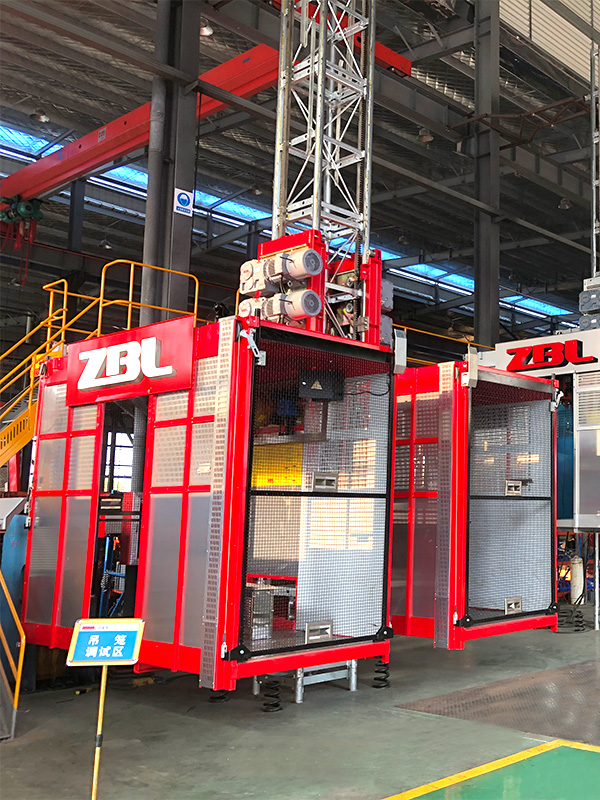
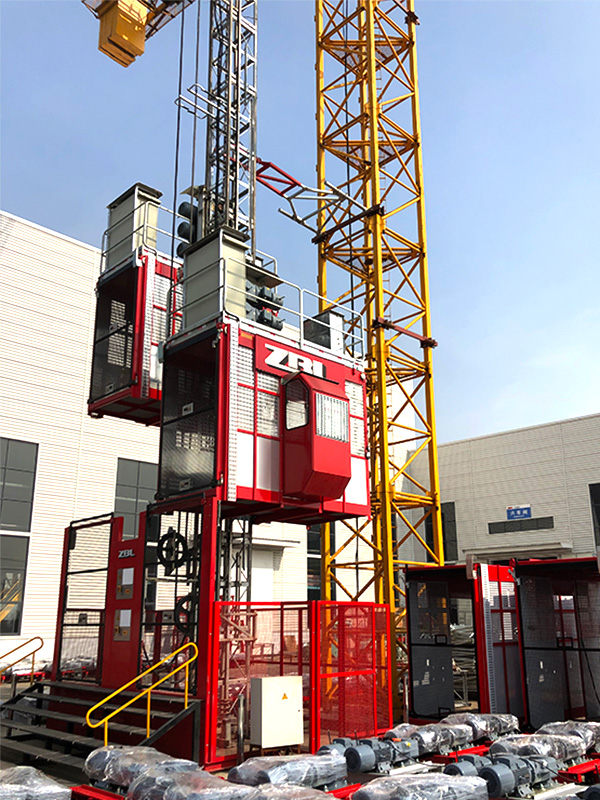
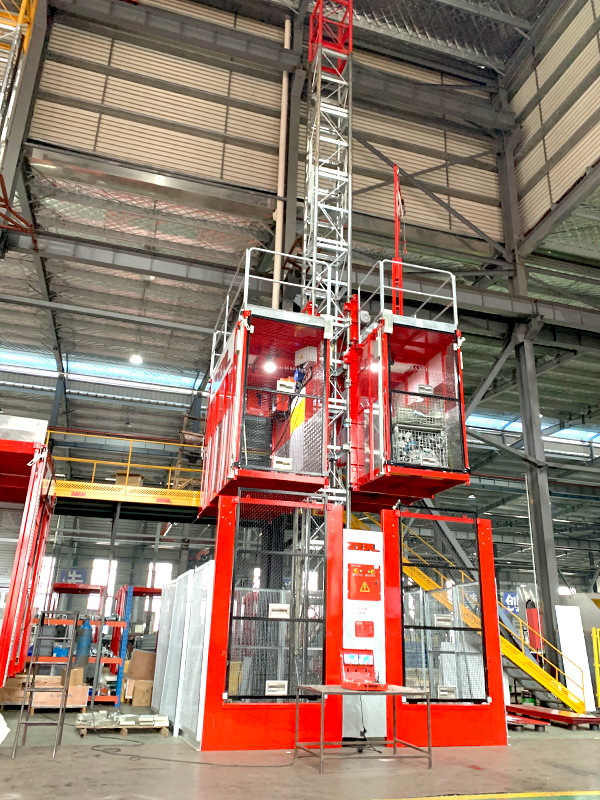
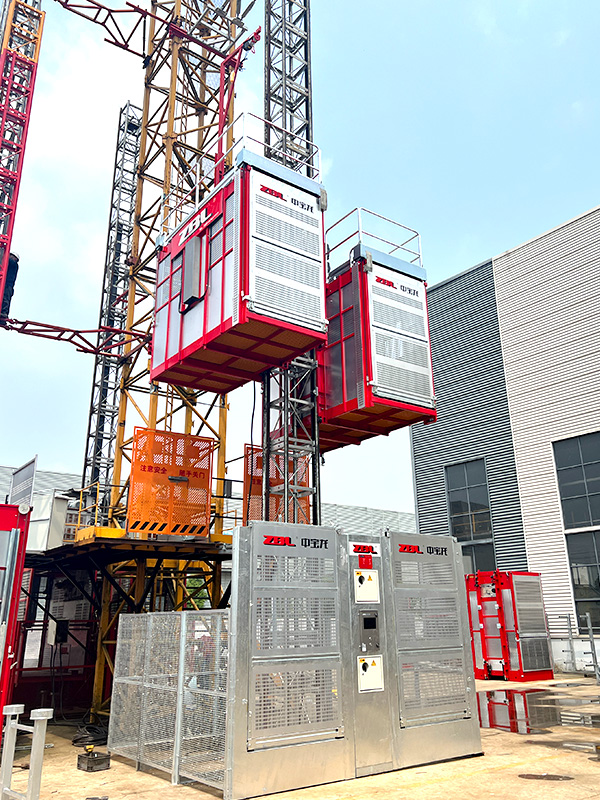
The Construction Hoist is structurally engineered to accommodate uneven and asymmetrical loads commonly encountered on construction sites. The hoist cage frame is manufactured using high-strength, fatigue-resistant steel profiles that are carefully analyzed during the design stage to withstand localized stress concentrations. The floor system is reinforced with cross beams and load-spreading plates that ensure weight is distributed evenly across the entire cage base, even when long or heavy materials are placed off-center. This is particularly important when transporting items such as steel pipes, formwork panels, or bundled scaffolding, which may shift the center of gravity away from the geometric center of the cage. The sidewalls and roof structure are also designed to resist lateral forces caused by load movement during vertical travel. In addition, the mast sections and their anchoring systems are engineered to maintain vertical rigidity, preventing twisting or deflection under uneven loading. This robust structural design ensures that the Construction Hoist maintains alignment, stability, and safety throughout its operating cycle.
Intelligent Load Detection and Continuous Monitoring Systems
To effectively manage dynamic and uneven loads, a Construction Hoist incorporates intelligent load detection and monitoring technologies. Load cells or electronic load sensors are installed within the lifting system to continuously measure the actual load inside the cage in real time. These systems compare the detected load against the rated capacity and predefined safety thresholds. When abnormal loading conditions are identified—such as sudden load shifts, excessive weight, or uneven distribution—the system can automatically trigger visual and audible alarms or prevent the hoist from initiating movement. In more advanced configurations, the control system can adapt operating parameters by limiting speed or enforcing gradual acceleration to reduce dynamic stress. This continuous monitoring protects critical mechanical components such as motors, gearboxes, brakes, and mast connections from overload-related damage. From a user’s perspective, these systems significantly enhance operational confidence and safety by ensuring that the Construction Hoist responds intelligently to real-world load variations.
| Parameter Category | Technical Specification | Design Feature Description | User / Operational Benefit |
| Structural Load Capacity | Rated capacity with uneven load tolerance | Reinforced steel cage frame with load-spreading floor beams and high-rigidity mast structure | Ensures stable lifting performance even when handling long materials or off-center loads |
| Load Monitoring System | Real-time load detection and overload protection | Integrated load sensors with automatic alarm and operation lockout functions | Prevents overloading, enhances operational safety, and protects key mechanical components |
| Motion Control Technology | Variable-speed drive with soft start and stop | Inverter-controlled motor system with smooth acceleration and deceleration profiles | Reduces load sway, improves ride comfort, and minimizes dynamic stress on materials and personnel |
| Guide & Stabilization System | Anti-sway guide rail and roller assembly | Heavy-duty guide rollers with precise mast alignment and lateral movement restriction | Maintains vertical stability, reduces vibration, and improves reliability under uneven loading |
| Safety & Load Securing Features | Integrated interlocks and securing interfaces | Door interlocks, emergency stop devices, and internal tie-down points | Enhances protection for mixed cargo and personnel during vertical transportation |
Smooth Motion Control Using Variable-Speed Drive Technology
Handling dynamic loads safely requires precise control over movement, which is why modern Construction Hoists rely on variable-speed drive systems. These systems use frequency inverters or intelligent motor controllers to regulate acceleration, constant-speed travel, and deceleration with high precision. Soft-start and soft-stop functions are especially critical when transporting mixed cargo and personnel, as they minimize sudden jolts that could cause long materials to sway or workers to lose balance. By gradually increasing and decreasing speed, the hoist reduces inertial forces acting on uneven loads, thereby preventing load displacement or impact against cage walls. Additionally, controlled motion reduces mechanical stress on drive components, braking systems, and guide rollers. This smooth operational behavior not only improves safety and comfort but also extends the service life of the Construction Hoist, making it more reliable in high-frequency usage environments.
Guide Rail Precision and Anti-Sway Stabilization Mechanisms
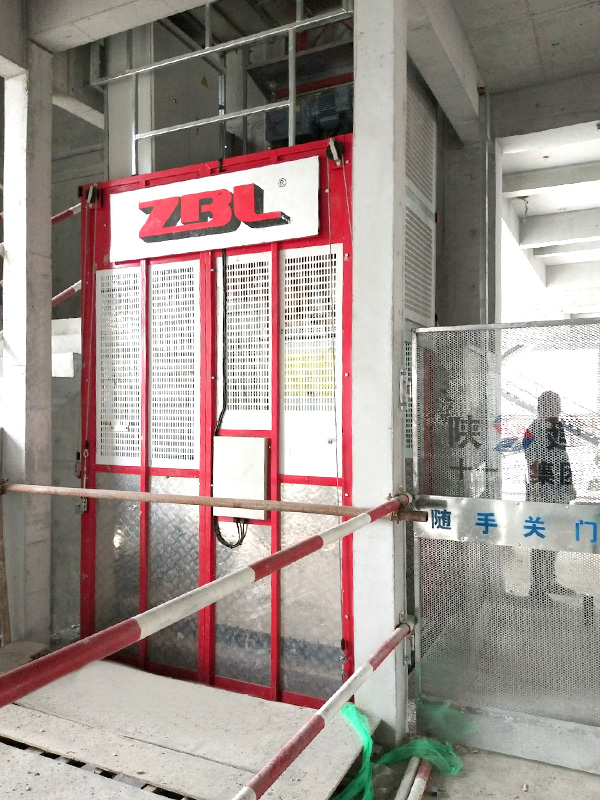
The guide rail and stabilization system of a Construction Hoist is critical in managing uneven and dynamic loads. Heavy-duty guide rollers are precisely aligned with the mast rails to maintain consistent contact throughout vertical movement. These rollers are designed to absorb lateral forces generated by off-center or shifting loads without excessive vibration or wear. Anti-sway mechanisms further restrict horizontal movement, preventing oscillation that could be amplified by long or bulky materials. The mast structure itself is manufactured with strict dimensional tolerances and is securely anchored to the building at regular intervals, ensuring rigidity over the full lifting height. This combination of precise guide rails, stabilized rollers, and rigid mast anchoring ensures that the hoist cage remains vertically aligned even under challenging load conditions. As a result, the Construction Hoist delivers stable, predictable performance and minimizes the risk of mechanical fatigue or operational instability.
Load Securing Systems and Operational Load Management Practices
Beyond mechanical design, effective handling of uneven loads in a Construction Hoist relies heavily on built-in load securing features and disciplined operational practices. The cage interior is typically equipped with tie-down points, securing rails, or anchor rings that allow long materials to be firmly restrained during transport. These features prevent shifting caused by acceleration, deceleration, or vibration. Clear operational guidelines instruct users to position loads evenly, keep the center of gravity as close to the center of the cage as possible, and separate personnel from unstable cargo when required. Operators are trained to inspect load stability before each lift and to avoid stacking materials in ways that could compromise balance. These practical measures, combined with the hoist’s structural capabilities, ensure safe and efficient handling of mixed cargo and personnel in daily construction operations.
Integrated Safety Interlocks and Emergency Response Capabilities
To address unexpected load instability or unsafe conditions, the Construction Hoist is equipped with multiple safety interlocks and emergency response systems. Door interlocks ensure that the hoist cannot move unless all access points are securely closed, preventing accidental load displacement. Emergency stop buttons are strategically positioned to allow immediate shutdown if excessive sway, vibration, or load movement is observed. Additional safety systems may include speed monitoring devices, braking redundancy, and fault-detection logic within the control system. These features work together to provide rapid response in abnormal situations, protecting both personnel and equipment. From a user’s perspective, these integrated safety measures offer reassurance that the Construction Hoist can safely manage unpredictable load behavior while maintaining compliance with strict construction safety regulations.
