



Please leave your email address, So that we can get in touch with you as soon as possible.
Design Directly Determines Stability
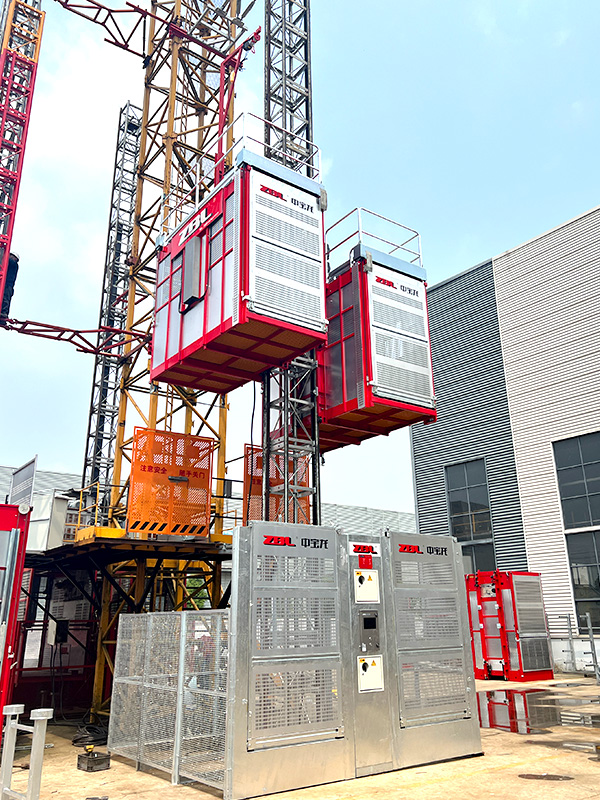
The design of a Construction Hoist Mast Section directly affects the stability of the entire hoist system. A well-engineered mast section ensures proper load distribution, resistance to lateral forces, and alignment, preventing tilting, vibration, or structural failure. In practical terms, mast sections with optimized cross-sectional geometry and high-grade steel can increase overall stability by up to 30% compared to poorly designed alternatives.
Key Design Features Impacting Stability
Cross-Section Geometry
The shape and dimensions of a Construction Hoist Mast Section determine its moment of inertia, which affects bending resistance. Square or rectangular latticed masts provide superior rigidity compared to tubular sections of the same material weight. For example, a lattice mast with 300x300 mm dimensions can resist lateral deflection up to 15% more effectively than a similar tubular mast.
Material Selection
High-strength steel alloys, often with tensile strength over 400 MPa, reduce mast section deformation under full load. Corrosion-resistant coatings extend the service life, especially in outdoor environments, ensuring stability is maintained throughout construction cycles.
Connection Mechanisms
The joints between mast sections play a critical role. Bolt-based connections with precision-aligned holes minimize lateral movement. Welded joints can provide higher rigidity but require precise quality control to avoid weak points. A typical system with high-quality bolted joints can increase overall lateral stability by 20%.
Impact of Mast Height and Load Distribution
Longer Construction Hoist Mast Sections increase the potential for sway and vibration, especially under dynamic loads from hoisting equipment. Proper design includes:
- Even load distribution through guide rails and brackets.
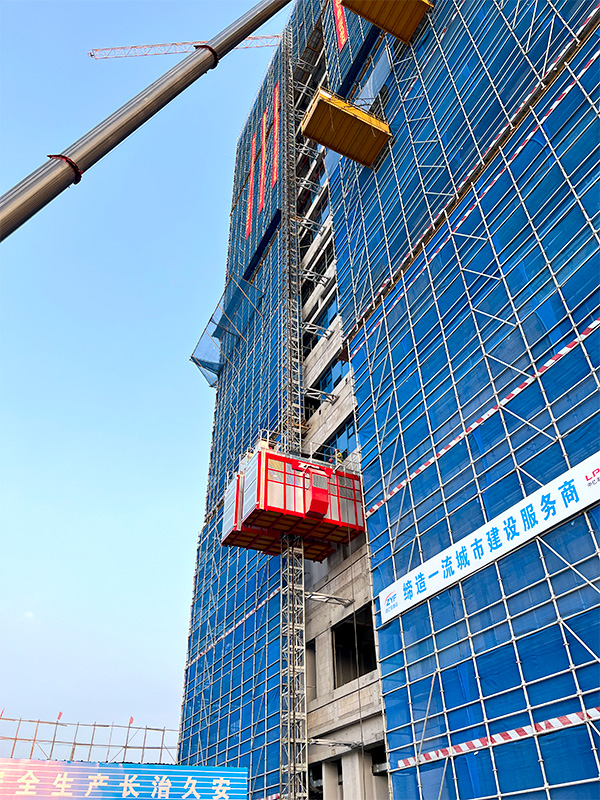
- Strategically placed anchoring points to the building or scaffolding.
- Tapered or reinforced sections at critical heights to resist buckling.
Without these measures, deflection can exceed 50 mm at the top of a 60-meter mast under full load, compromising safety and operational efficiency.
Role of Bracing and Lateral Support
Lateral bracing between mast sections or tie-ins to the building structure significantly enhances stability. Common bracing options include:
- X-shaped cross braces for torsional resistance.
- Diagonal tie rods connected to adjacent structural elements.
- Anchoring platforms every 15–20 meters for tall mast systems.
Studies show that a properly braced mast can reduce top-level sway by up to 70% under wind loads of 15 m/s.
Practical Examples of Stability Enhancements
A construction site in Dubai used reinforced lattice mast sections with precision bolted joints and diagonal bracing for a 90-meter hoist system. The implementation resulted in:
- Reduced mast vibration under full material loads.
- Fewer maintenance interventions over 18 months.
- Increased safety ratings and operational efficiency.
These examples demonstrate how precise mast section design translates directly into improved hoist stability and project reliability.
Summary and Best Practices
In conclusion, the stability of a hoist system depends heavily on the design of each Construction Hoist Mast Section. Key takeaways include:
- Optimized cross-sectional geometry for bending resistance.
- High-quality steel and corrosion protection to maintain rigidity.
- Secure bolted or welded connections to minimize lateral movement.
- Bracing and tie-ins at strategic intervals to prevent sway.
- Regular inspection and maintenance to detect wear or deformation early.
By adhering to these best practices, construction teams can ensure maximum stability and safe operation of their hoist systems across all project stages.
