

Construction Hoist vs Passenger Lift
A precise breakdown of two vertical transport systems that define how buildings are constructed—and how they are experienced.
The difference is structural and philosophical. A construction hoist exists for the act of building. A passenger lift exists for the act of living. One is temporary infrastructure under stress; the other is permanent architecture engineered for comfort and precision.
Two Systems, Two Realities
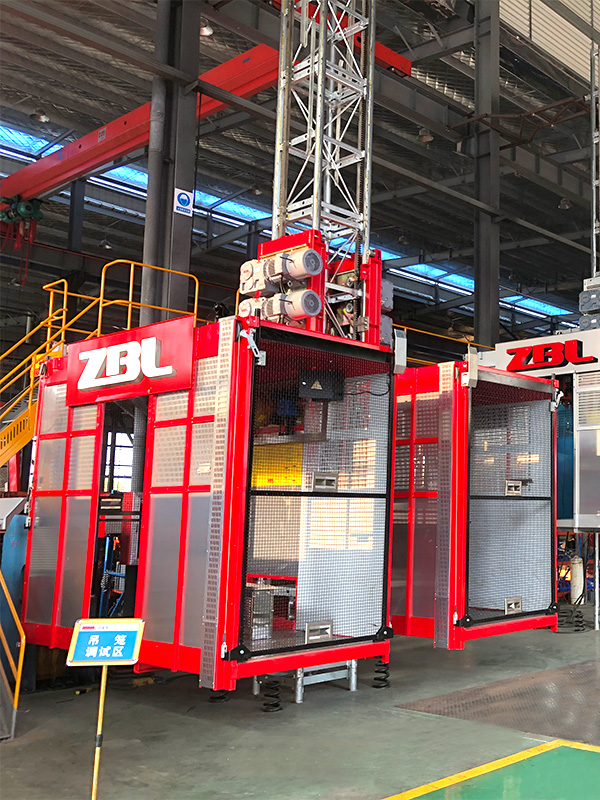
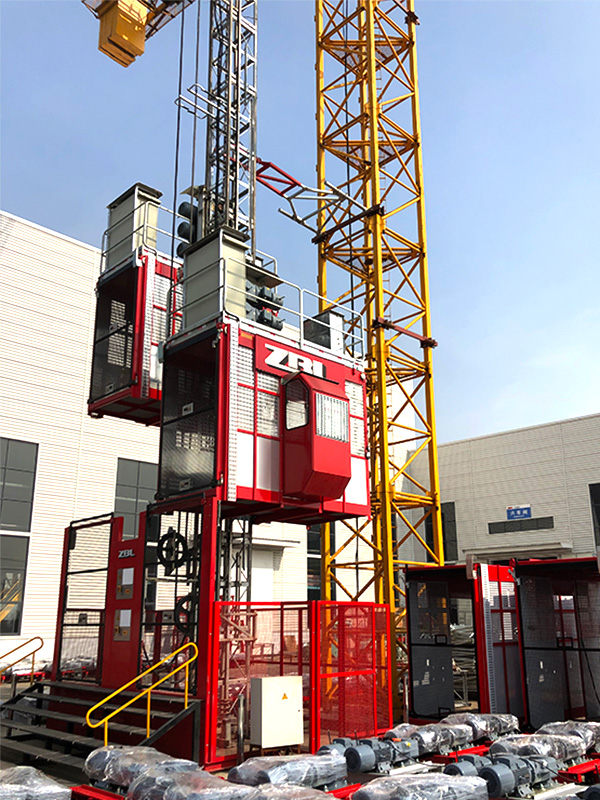
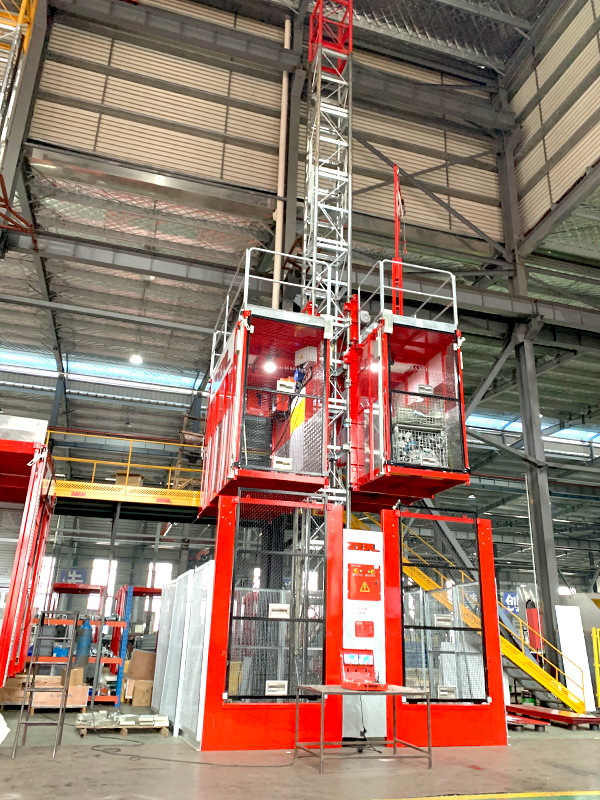
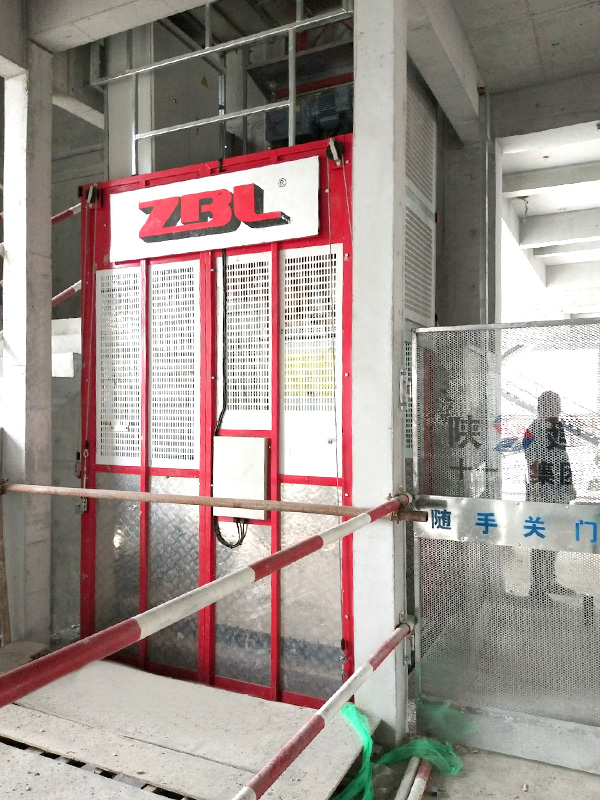
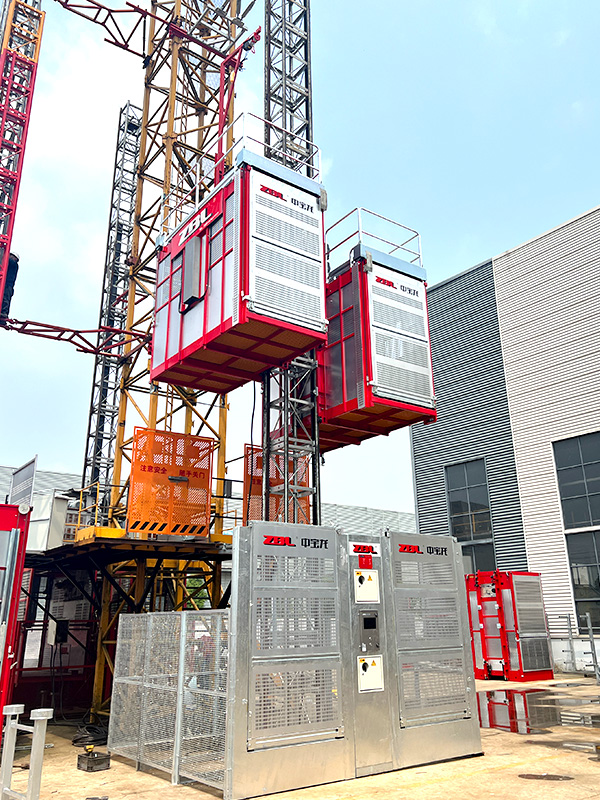
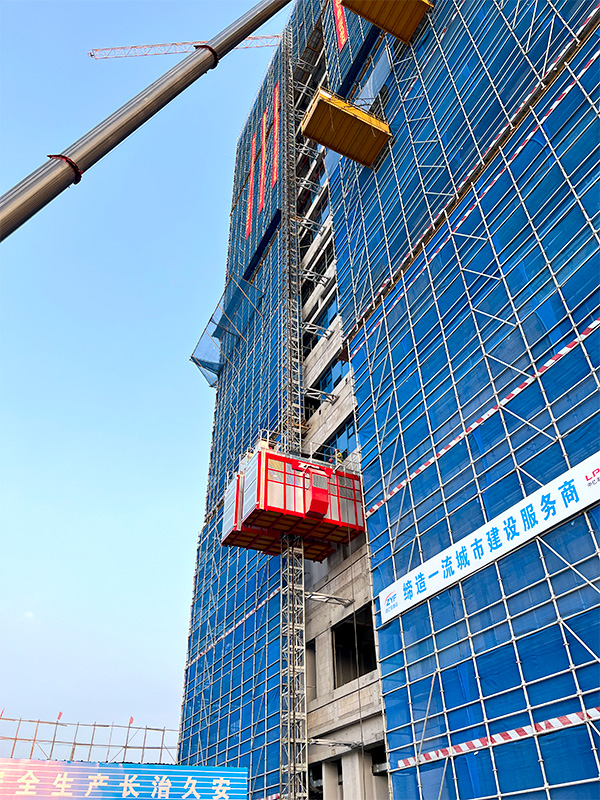
A construction hoist operates as a temporary vertical logistics system during active construction. It is designed to move materials, tools, and workers through unfinished environments.
A passenger lift, by contrast, is a long-term mobility system integrated into the building core. It is engineered for silence, smooth acceleration, and controlled human experience.
“A hoist builds the building. A lift defines how people inhabit it.”
Functional Context Across Construction Stages
In early-stage development, a hoist building construction system becomes the primary vertical artery of the site. It operates in exposed conditions, often mounted externally along scaffolding or structural frames.
In contrast, passenger lifts only become active after structural completion. At that point, they transition the building from construction space into inhabitable architecture.
- Construction hoist: temporary, exposed, heavy-duty
- Passenger lift: permanent, enclosed, experience-driven
- Transition point: building completion and safety certification
Engineering and Performance Logic
Construction hoists prioritize throughput over comfort. On large-scale projects, a hoist for building construction system may operate continuously at moderate speeds of 0.5–1.0 m/s while carrying heavy loads exceeding 2,000 kg.
construction hoist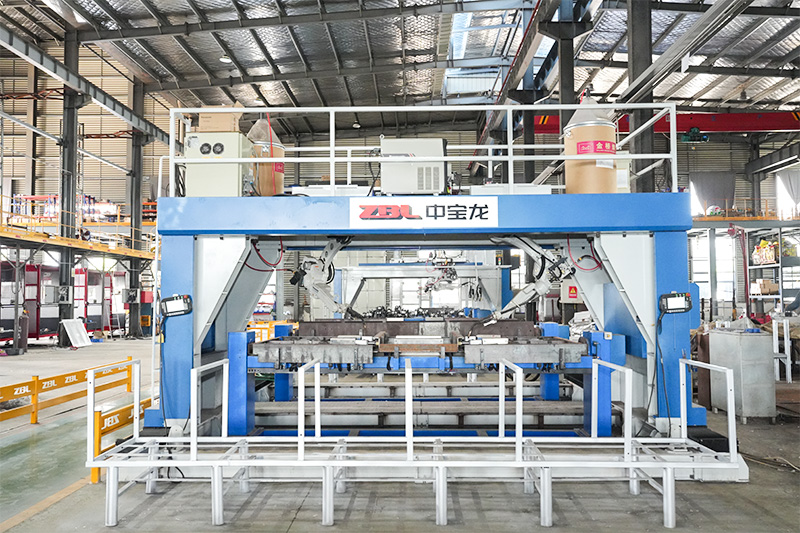
Passenger lifts are optimized for smooth motion curves, acoustic dampening, and high-speed transport. In modern high-rise buildings, speeds can exceed 2.5–6.0 m/s depending on system design.
Structural and Safety Differences
Construction hoists are designed to tolerate environmental uncertainty: dust, vibration, uneven loading, and rapid usage cycles. Their safety systems focus on overload protection and emergency braking under unstable conditions.
Passenger lifts follow strict international safety frameworks, including redundant braking systems, fire-mode evacuation logic, and continuous monitoring systems.
The difference is not just in strength—it is in predictability. Construction hoists accept variability. Passenger lifts eliminate it.
Technical Comparison
| Dimension | Construction Hoist | Passenger Lift |
| Purpose | Construction logistics | Human transportation |
| Lifecycle | Temporary | Permanent |
| Environment | Exposed site conditions | Controlled interior shaft |
| Speed | 0.5–1.0 m/s | 2.5–6.0 m/s |
Economic Logic
Construction hoists are typically rented or temporarily installed, making them cost-efficient for short-term construction phases. Their value lies in accelerating project timelines.
Passenger lifts require higher upfront investment but contribute directly to long-term property value, usability, and architectural identity.
Conclusion
The relationship between a construction hoist and a passenger lift is sequential, not competitive. One creates the building; the other activates it.
Vertical mobility is not a single system—it is a lifecycle.