



Please leave your email address, So that we can get in touch with you as soon as possible.
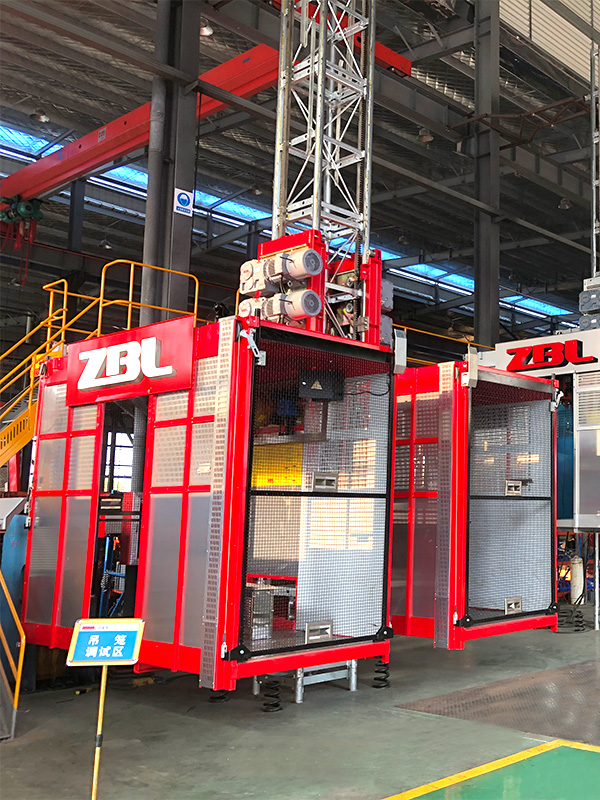
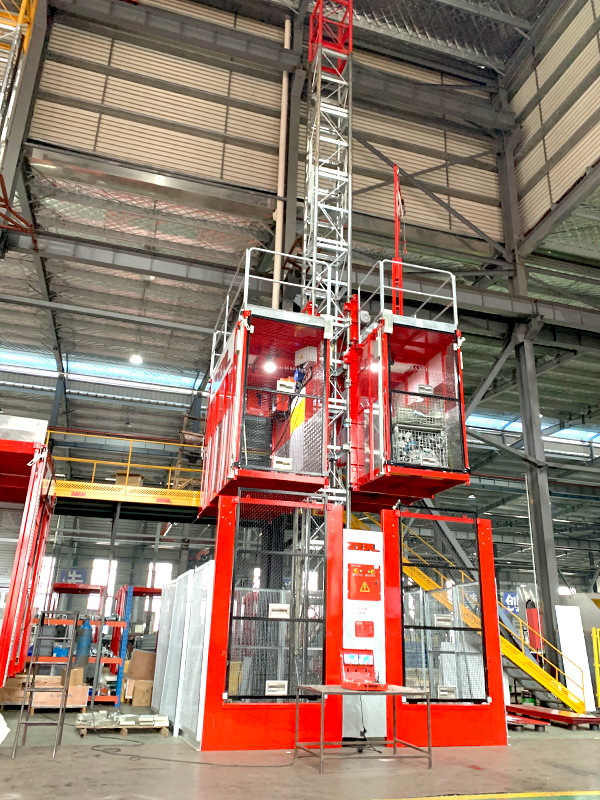
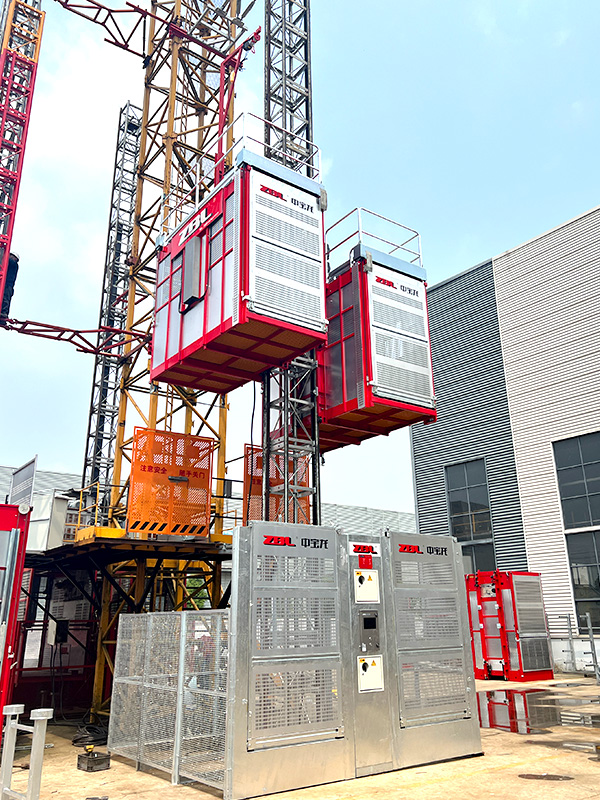
High-Strength Structural Design and Section Geometry: The Construction Hoist Mast is fabricated from high-strength structural steel or alloy steel, with cross-sectional geometries such as box, lattice, or tubular profiles specifically engineered to provide maximum bending resistance and torsional rigidity. The design focuses on increasing the moment of inertia to minimize lateral deflection under wind and operational forces. Each mast section incorporates reinforced weld joints, precision-machined flanges, and high-tensile bolted connections that distribute loads evenly along the vertical axis, ensuring continuous rigidity when assembled. The precise engineering of cross-sectional shape, material thickness, and joint reinforcement is critical in preventing structural deformation, maintaining alignment, and ensuring that the mast can safely support the dynamic loads of a fully loaded hoist cage over extended vertical heights.
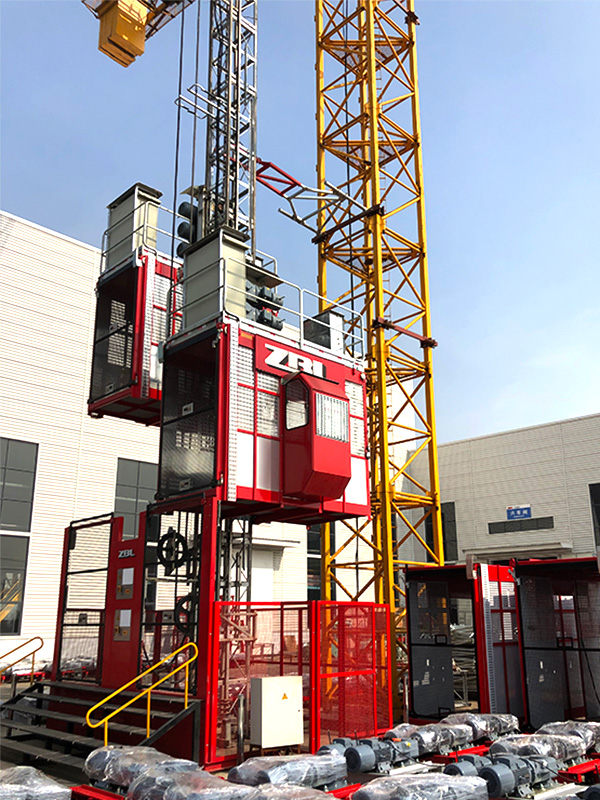
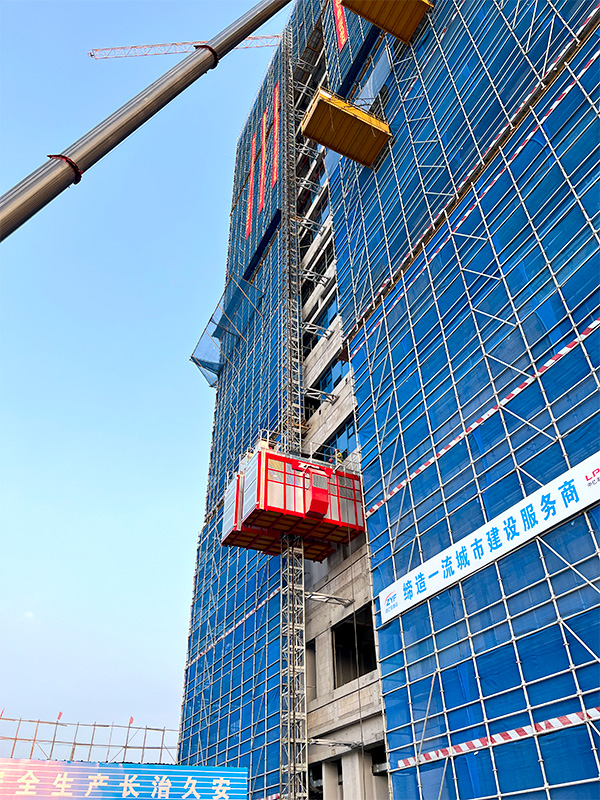
Wind Load Engineering and Stability Calculations: At higher elevations, wind pressure is a significant factor influencing mast stability. The Construction Hoist Mast is designed based on rigorous calculations derived from international wind load standards such as EN 1991, ISO, and regional building codes. Engineers assess the maximum allowable deflection, critical buckling limits, and expected wind-induced oscillations. Wall ties and anchoring points are strategically positioned at calculated intervals to transfer lateral wind loads into the building structure, reducing free-standing mast height and preventing excessive sway. Advanced structural analysis, including finite element modeling, is often used to simulate real-world wind scenarios, ensuring that the mast maintains its structural integrity and alignment even during gusts or sustained high winds.
Dynamic Vibration Control and Fatigue Resistance: During operation, the hoist cage generates dynamic forces due to acceleration, deceleration, emergency braking, and uneven material loading. To counter these, the Construction Hoist Mast is engineered using fatigue-resistant steel and reinforced joints, designed to withstand millions of load cycles without developing cracks or structural weaknesses. Guide rails are aligned with high precision, bolted connections are tightened to manufacturer-specified torque levels, and overall mast stiffness is optimized to reduce oscillation and vibration transmission to the cage. Additional vibration damping may be incorporated through flexible couplings or elastomeric pads at anchor points. Fatigue testing and repeated load simulations are performed to ensure long-term reliability under continuous heavy-duty operation, protecting both the mast structure and the hoist system components.
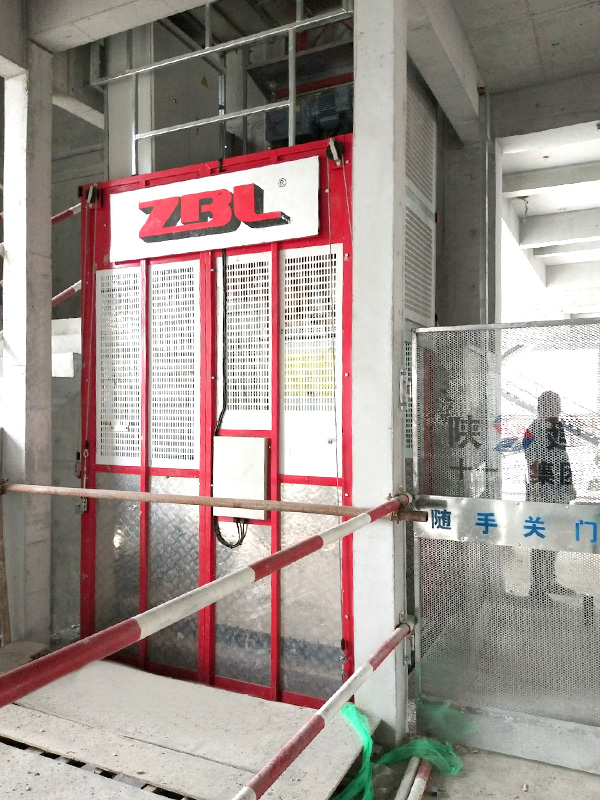
Lateral Force Management Through Anchoring and Ties: Lateral forces originate from wind, cage movement, material shifting, and potential seismic activity. The Construction Hoist Mast manages these forces through a system of wall ties, anchoring brackets, and a reinforced base frame. Wall ties are installed at pre-calculated intervals, allowing the mast to transfer horizontal loads into the building’s structural framework without compromising vertical alignment. The base foundation is engineered to resist overturning moments and shear forces, distributing weight evenly into the ground. Adjustable tie brackets accommodate minor structural movements while maintaining rigidity, ensuring that lateral forces do not induce mast deflection, torsion, or misalignment that could affect cage operation or compromise safety.
|
Parameter Category |
Standard Specification |
Extreme Environment Adaptation |
Safety & Compliance |
|
Structural Design |
High-strength steel, box/lattice sections |
Reinforced joints, fatigue-resistant |
Meets EN/ISO standards, laser-aligned |
|
Load & Stability |
Rated for full cage load |
Wall ties, base anchoring, vibration control |
Load monitoring, emergency brakes |
|
Environmental Features |
Standard corrosion protection |
High/low temp coatings, UV & corrosion-resistant |
Wind/temperature sensors, auto shutdown |
Precision Manufacturing and Assembly Tolerances: Structural stability depends heavily on the precision of manufacturing and installation. Each mast section of the Construction Hoist is fabricated with strict dimensional tolerances for straightness, flange alignment, bolt-hole positioning, and guide rail mounting. During assembly, verticality is verified using laser levels and plumb lines, and bolts are torqued according to manufacturer specifications to prevent micro-movements. Properly aligned sections prevent vibration amplification, lateral sway, and cumulative deflection over the height of the mast. Tight assembly tolerances ensure that the hoist cage travels smoothly along the guide rails, braking systems function reliably, and dynamic stresses are evenly distributed, maximizing both operational safety and service life.
Compliance with Structural and Safety Standards: The Construction Hoist Mast is designed, tested, and certified in accordance with international structural and safety standards, such as EN 12159, ISO guidelines, and OSHA regulations. These standards define allowable deflection limits, load factors, wind resistance, and safety margins. Structural calculations, wind tunnel simulations, and dynamic load analyses are documented and verified to ensure that the mast can withstand combined static and dynamic forces under full operational conditions. This compliance guarantees that the mast maintains alignment, stability, and safety even in high-rise applications, providing assurance to site engineers, operators, and regulatory inspectors that the hoist system meets or exceeds required safety benchmarks.
Integrated Operational Safety: Beyond structural engineering, the Construction Hoist Mast incorporates operational safety features designed to protect personnel and materials. These include load monitoring devices, wind-speed sensors, emergency braking interlocks, and alignment indicators that detect mast deflection or misalignment. In extreme weather or high-load conditions, these systems can automatically halt hoist operation to prevent accidents. By combining structural resilience with intelligent monitoring and fail-safe mechanisms, the Construction Hoist Mast provides a secure vertical transportation solution that minimizes risk while maintaining productivity in challenging construction environments.
